About Electrical Engineering Department

The Department of Electrical Engineering at Finolex Academy of Management & Technology (FAMT), Ratnagiri, is committed to imparting progressive and advanced education in Electrical Engineering along with professional skills and character development to meet industrial and societal challenges.
The department was established in 1997 with an intake of 60 students and has developed strong academic systems focusing on outcome-based education, project-based learning, and industry interaction.
The department is widely recognized for consistent academic results, placements, industry-linked activities, and student development initiatives.
Department Highlights
- Total Faculty Members: 13
- Associate Professors: 3
- Assistant Professors: 10
- PhD Completed: 3
- PhD Pursuing: 3
- PG Qualified Faculty: 7
- University Rank Holders: 40+ Overall, 7 in Last Five Years
- Patents: 1 Utility Patent Granted (2023), 6 Design Patents & 4 Filed (2024)
- Department Library: 200+ Books
- Infrastructure: 6 Core Labs + 2 Computer Labs
- ICT Enabled Classrooms: 3 (with Smart Boards)
Teaching Learning Process
Curriculum Implementation
- Outcome Based Education (OBE)
- Bloom’s Revised Taxonomy (Cognitive, Affective & Psychomotor domain)
- AICTE Examination Reform Policy
- Theory, Tutorials, and Laboratory Integration
- Mini Projects, and Major Projects
- Survey, Case Studies, Project Based Learning (PBL) through Course Projects
- Activity based learning (worksheets, video based quizzes, group activities)
- Quizzes for assessing understanding
Technology Based Learning
- Moodle LMS and Google Classroom
- Virtual Labs
- Open Source and Licensed Software Tools
- Online Quiz, Edpuzzle, and Digital Learning Tools
- Workshops, Bridge Courses, and Course Enrichment
Activity Based Learning
- Classroom Activity Based Learning
- Technical Outreach and Extension Activities
- Social Outreach Programs
- Industrial Visits and Internships
- Industry Expert Lectures and Industry Sponsored Projects
Laboratory and Infrastructure Facilities
- Electrical Machines Laboratory
- Power Electronics Laboratory
- Electrical Measurement Laboratory
- Control Systems Laboratory
- Switchgear and Protection Laboratory
- PLC and Automation Laboratory
- Computer and Simulation Laboratories
- Project Laboratory
Industry Interaction
- Industry Training and Internship Programs
- Industry Expert Sessions
- MoU Based Activities
- Industry Collaboration (e.g., Mahindra Susten initiatives)
Student Development and Department Activities
EESA Student Association Activities
- ELEKTRA Technical Fest
- Cultural Events and Social Awareness Programs
- Environmental Activities like Tree Plantation
- Electrical Safety Awareness Campaigns
- Social Outreach Activities (Beach Clean-up, Fort Clean-up Drives)
Standards Club Activities
- Promoting scientific and technological temperament
- Enhancing creativity and innovation
- Encouraging quality and standardization awareness
Placements
Students are placed in reputed core and IT industries including:
- Reliance Industries Ltd.
- Mahindra Susten Pvt. Ltd.
- Mahindra TEQO Pvt. Ltd.
- Wipro PARI Pvt. Ltd.
- Enconn Synergies India Pvt. Ltd.
- Halston Automation
- Q-Spider
- Adisoft Technologies Pvt. Ltd.
The department maintains strong placement performance with multiple offers for several students.
Research, Innovation and Achievements
- Patent Granted: 7
- Patent Filed by Faculty and Students: 4
- Faculty Publications in IEEE, UGC, and International Journals
- Books and Book Chapters Published
- NPTEL Elite and Topper Certifications by Faculty
Student Achievements
- GATE Qualified Students
- University Rank Holders
- AI-ML Internship National Level Top Positions (IBM Skill Build Program)
- Participation in National Level Technical Competitions and Innovation Events
Esteemed Alumni
Alumni are serving in prestigious organizations such as:
- US Bank (Vice President Level)
- United Nations (HR Leadership Roles)
- Godrej & Boyce
- NIT Rourkela (Academia)
- Accenture
- Mazagon Dock
- Mahindra Solar and Energy Sector Organizations
Department Strengths
- Qualified and Experienced Faculty
- Excellent Infrastructure and Laboratories
- Strong Industry and Social Linkages
- Consistent Academic Results (Around 90% Final Year Success Rate)
- Strong Placement Record
- Activity Based and LMS Enabled Learning Environment
Future Plans
- Sponsored Research Projects and Consultancy
- Increased Patents, Publications, and Industrial Projects
- Higher Studies and Research Encouragement
- Faculty Qualification Enhancement (PhD)
- Research Center Tie-ups and Center of Excellence Development
HoD’s Desk
HoD’s Desk
 Welcome to the Department of Electrical Engineering. The journey began in 1997 and more than two decades, we are continuously upgrading our resources to make the students competent for industrial as well as academic environment.
The Department has well equipped and fully furnished laboratories as per University curriculum and computer centers, which keeps the students updated with the recent trends and advances in Electrical Engineering.
The Department has qualified, experienced and dedicated faculty members who work with excellent team spirit in diversified domains of Electrical Engineering like Power System, Control System, Electrical Machines, Power Electronics and Digital Design.
The Department strives to provide a conducive environment for the students to assimilate the analytical and experimental knowledge. To keep the student abreast of industrial updates, the department organizes regular industrial training and field visits. Hands on experience is given to the students through various workshops like PLC, Energy Audit, Proteus, PCB design etc. To compliment the curriculum, various seminars, guest lectures and course enrichment programs are organized.
Appeal to Engineering Aspirants
Let’s opt for Electrical Engineering, Transform your Energy to a Higher Potential to empower yourself and stay Charged to lead the society.
HOD
Dr. Jayant J. Mane
Electrical Engineering Department
VISION
The department shall become foremost seat by imparting advanced and progressive education in electrical engineering along with excellent professional skills and character to meet industrial and social challenges.
MISSION
| M1 | To ascertain qualitative teaching learning process through art of teaching pedagogy and meticulous continual assessment |
| M2 | To provide supportive environment that facilitates industrial exposure to produce quality engineers who will excel globally |
| M3 | To promote the versatile development of students through training of soft skills |
| M4 | To imbibe moral, ethical and social values among students |
PEOs, POs and PSOs
PEOs
| PEO No. | Statement |
| 1 | Students should be able to have successful career or pursue higher studies to meet future challenges of technological development. |
| 2 | Students should be able to pursue analytical and logical skills that will enable them to analyse and design Electrical Systems and its Controls. |
| 3 | Students should be able to undertake research and development activities in emerging multidisciplinary fields. |
| 4 | Students should be able to achieve professional and interpersonal skills by giving an opportunity as an individual as well as a team. |
Faculty Details of Electrical Engineering Department
Faculty List of Electrical Engineering
Faculty of Electrical Engineering
Qualification – M E
Areas of Interest – Design of Electrical Systems, Machine Design, Power systems, Electrical Machines

Qualification – M E, Ph.D Pursuing
Areas of Interest – Micro-controller Applications, Control Systems
Qualification – M E
Areas of Interest – Electrical Machines, Power Systems, Protection & Switchgear, Electrical Networks
Qualification – M Tech
Areas of Interest – Power Systems, soft computing, Electric vehicles
Qualification – M Tech, Ph.D Pursuing
Areas of Interest – PID Controllers, FACTS Devices and Active Filters

Qualification – M E
Areas of Interest – Power System Protection, Control Systems
Qualification – M E
Areas of Interest – Power System, LVDC microgrids, High Voltage Engineering
Supporting Staff
| Sr No | Name of the Supporting Staff | Designation | Qualification | Profile Link |
| 1 | Mr. Swapnil Prabhakar Mohite | Laboratory Assistant | Diploma in Electrical Engineering | Click Here |
| 2 | Mr. Parshuram Babusha More | Laboratory Assistant | Diploma in Electronics & Communication Egg. | Click Here |
Research Grants
| Sr. No. | Name of faculty | Research Grant for | Year | Funding Agency | Grant in Rs. | Status |
| 1 | Prof. Jayant J Mane | Minor Project: An intelligent, adjustable, automatic timer system | 2017-18 | University of Mumbai | 16000 | Completed |
| 2 | Prof. S H Mhabadi | Minor Project: An intelligent, adjustable, automatic timer system | 2017-18 | University of Mumbai | 16000 | Completed |
Achievements by Faculty
Students Related
Electrical Engineering Curriculum
-
Second Year – Sem III and IV
-
Third year –Sem V and VI
-
Final Year – Sem VII and VIII
Electrical Engineering Time Table
News and Events of Electrical Engineering Department
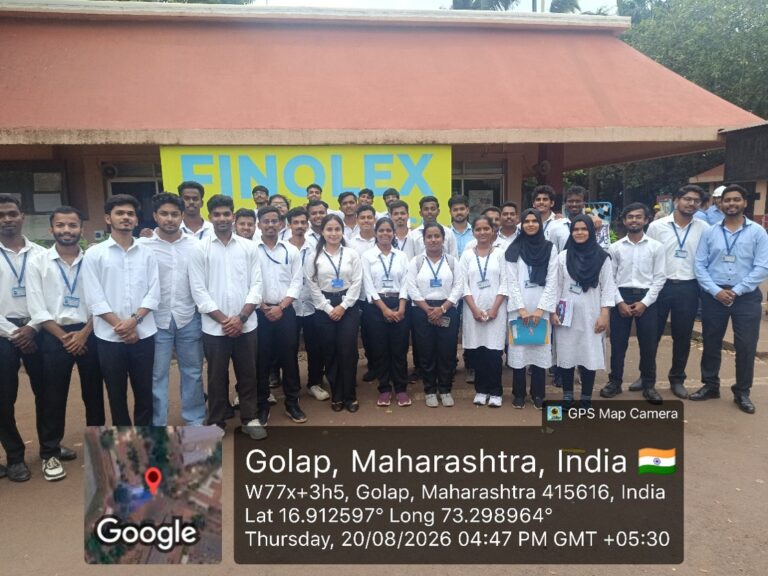
Industrial Visit to M/s Finolex Power Plant, Ratnagiri
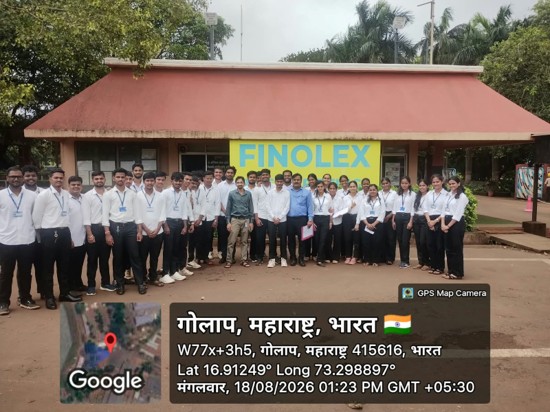
Industrial Visit : Finolex Thermal Power Plant, Golap Ratnagiri
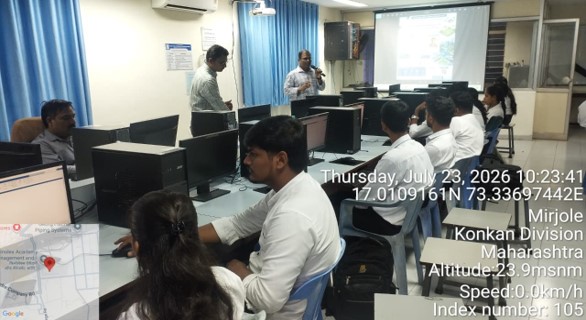
STTP on Model-Based Design for UAVs and Self-Driving Vehicles Using MATLAB
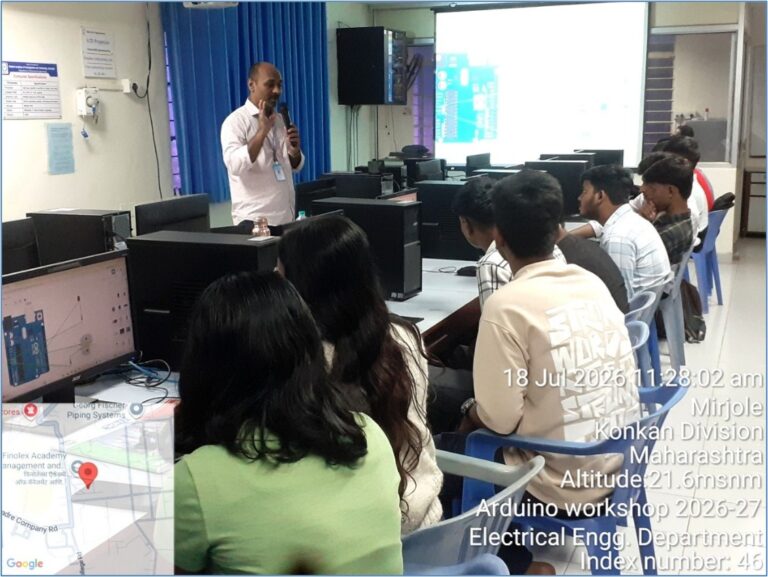
Hands-on Workshop on Arduino, Sensor Interfacing and Mini Project Development
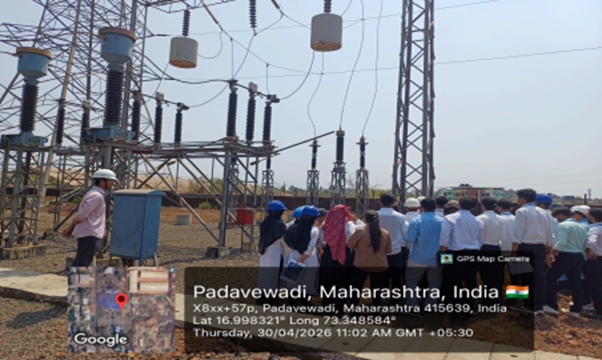
Industrial Visit to TE Electrical to the 110 kV/ 33 kV Transmission Substation
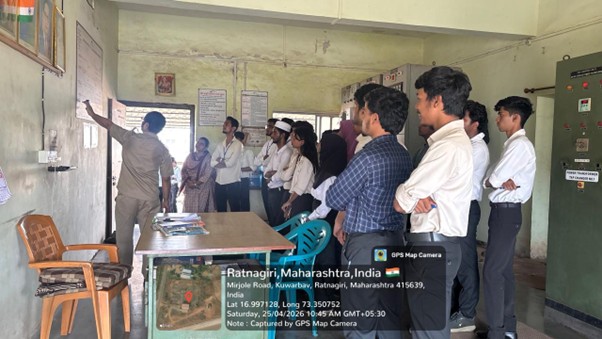
Visit to 33/11 KV-15 MVA Substation Kuwarbao, Ratnagiri
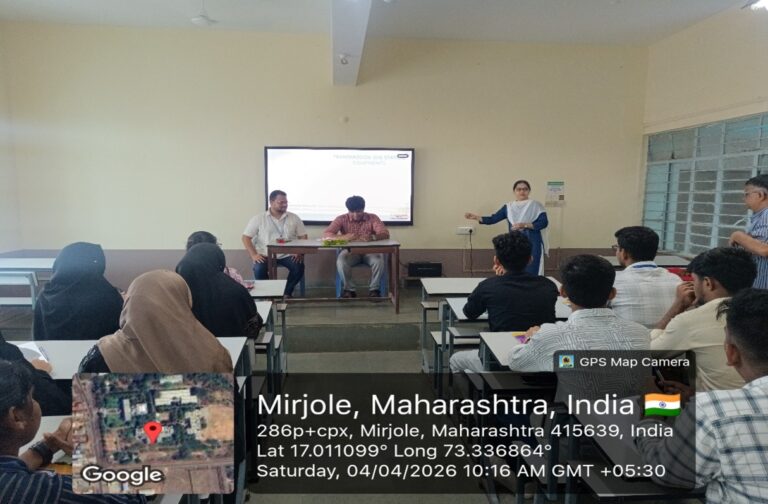
An Industry Expert Session on Substation Equipment and Protective Schemes
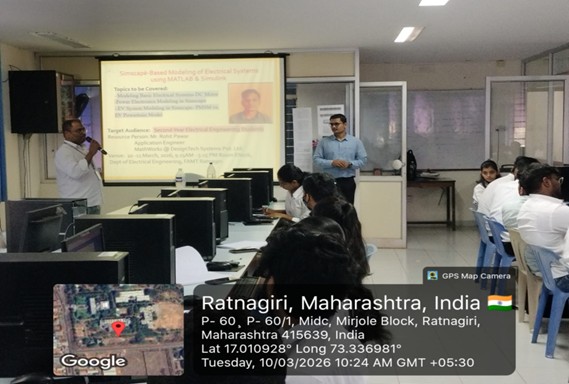
Simscape-Based Modelling of Electrical Systems using MATLAB & Simulink Workshop
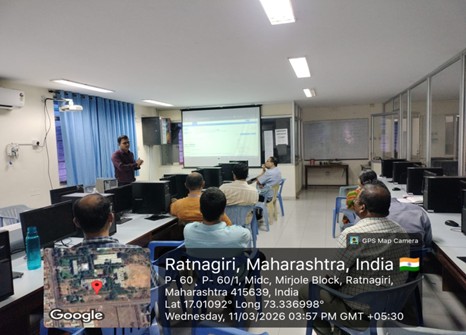
Workshop on “Simscape-Based Modelling of EV Systems using MATLAB & Simulink”
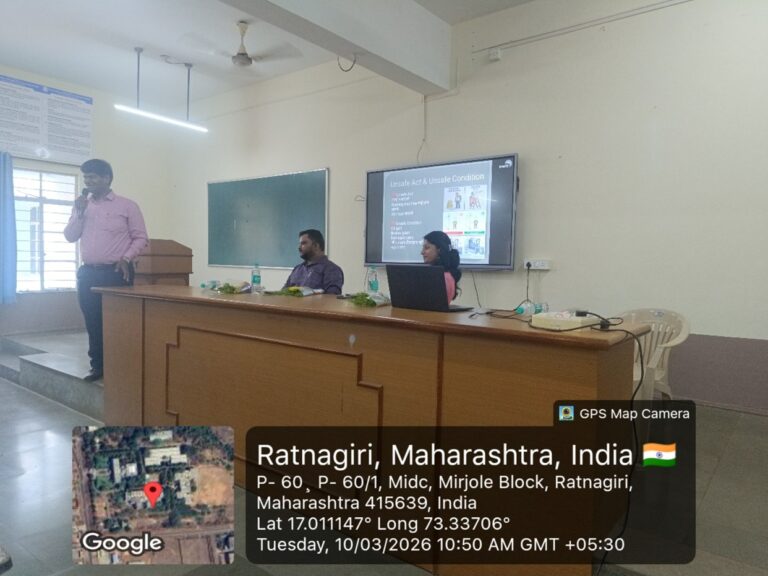
An Industry Expert Session on Industrial Safety Awareness
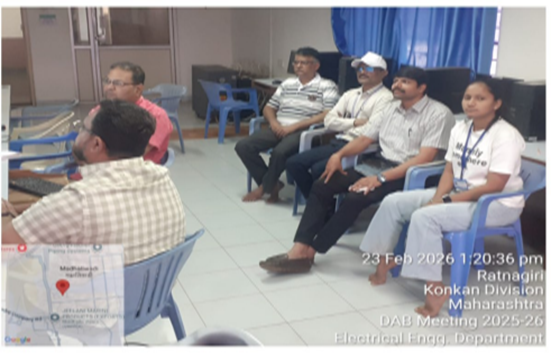
Electrical Engineering Departmental Advisory Board (DAB) Meeting
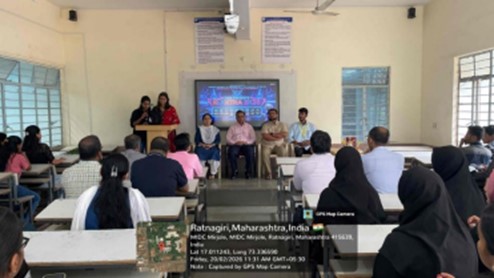
ELEKTRA 2026 – EESA’s Tech Fest
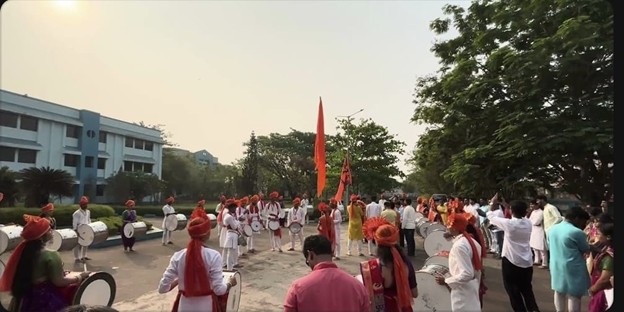
Shiv Jayanti 2026 Celebration at FAMT
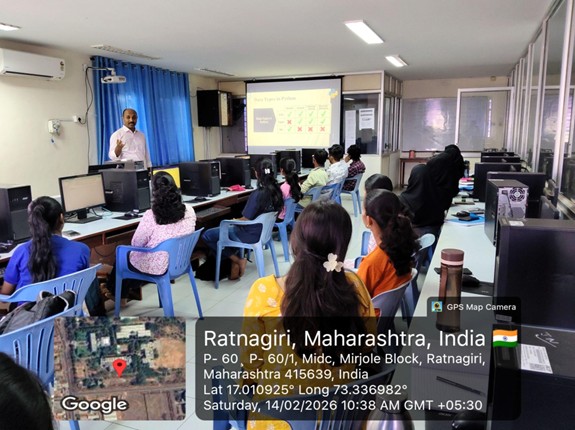
One-Day Workshop on Introduction to Machine Learning Fundamentals using Python
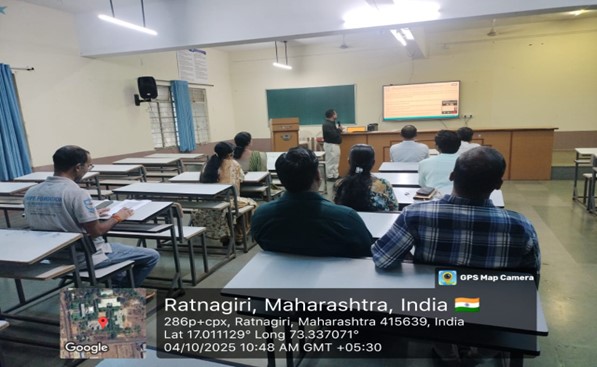
Parents Meet of Electrical Engineering Department for AY 2025-26
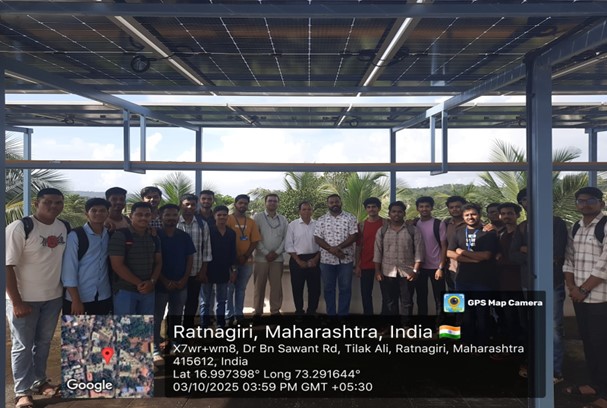
Field Visit to 10KW Rooftop Solar PV Plant, Zadgaon
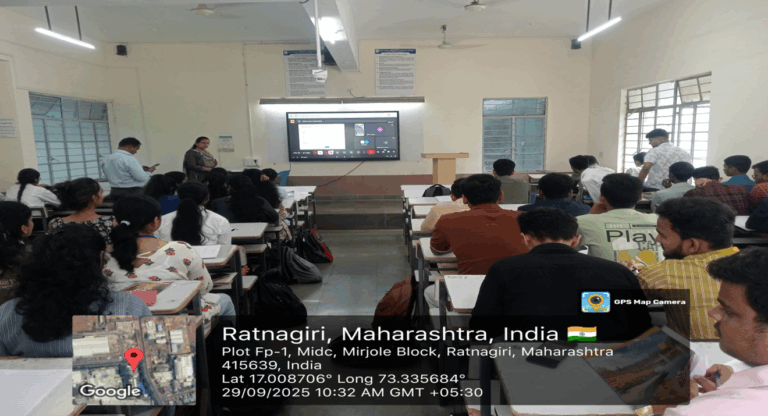
Online Guest Lecture on Rainwater Harvesting
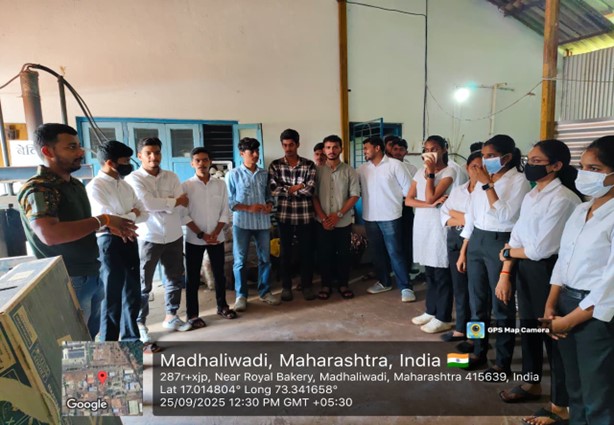
Electrical Engineering Students Visit Ratnagreen Techno Services, Ratnagiri
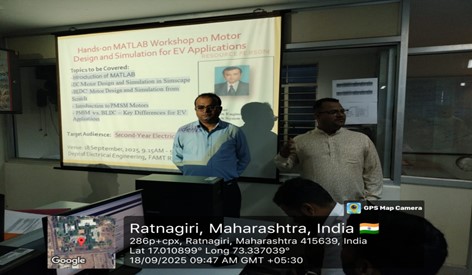
Hands-on MATLAB Workshop on Motor Design and Simulation for EV Applications
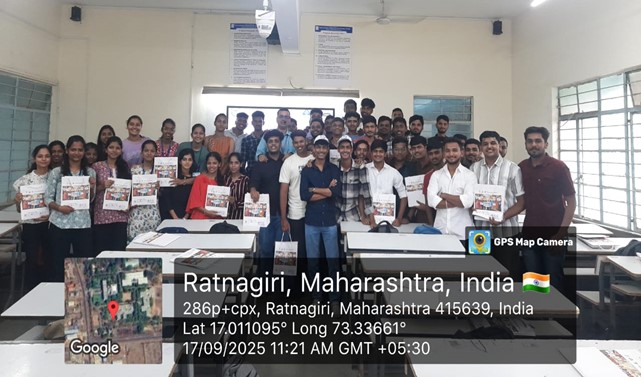
BIS Standards Club Orientation for SE Electrical Engineering Students
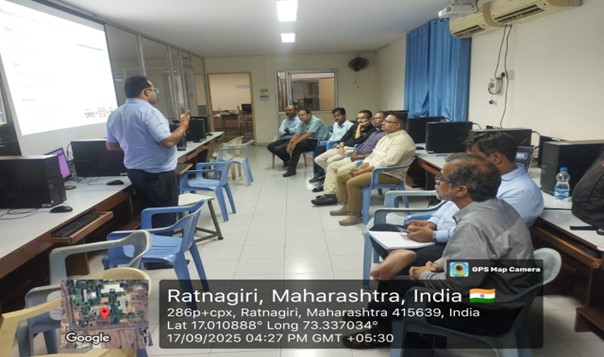
Introduction to AI & Machine Learning in Electrical Engineering Using MATLAB Tools and Apps
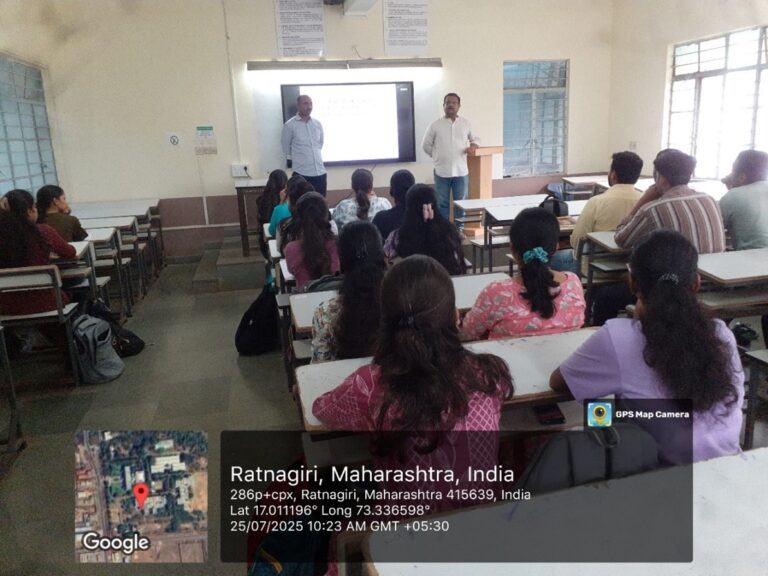
Two-Day Workshop on Arduino: From Basics to Automation & Robotics
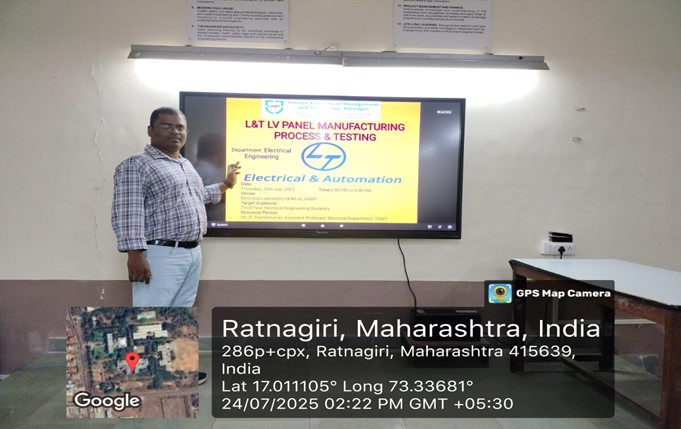
Workshop on Electrical Panel Manufacturing and Testing Process
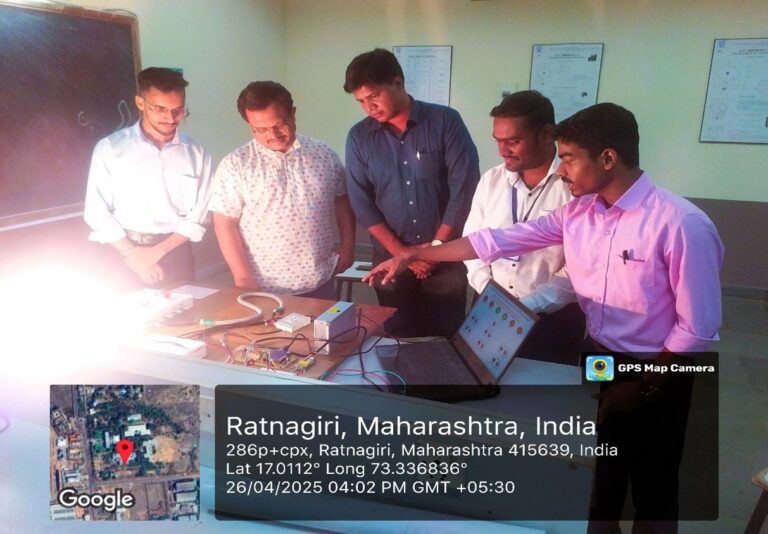
Project Competition for Electrical Engineering Students
Farewell Ceremony – BE Electrical Engineering Batch 2024-25
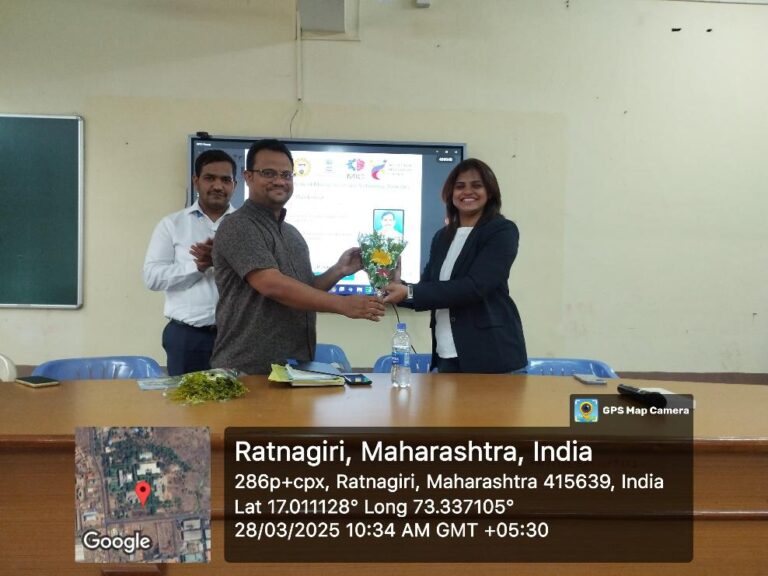
Raising Capital and Managing Finance for Startups
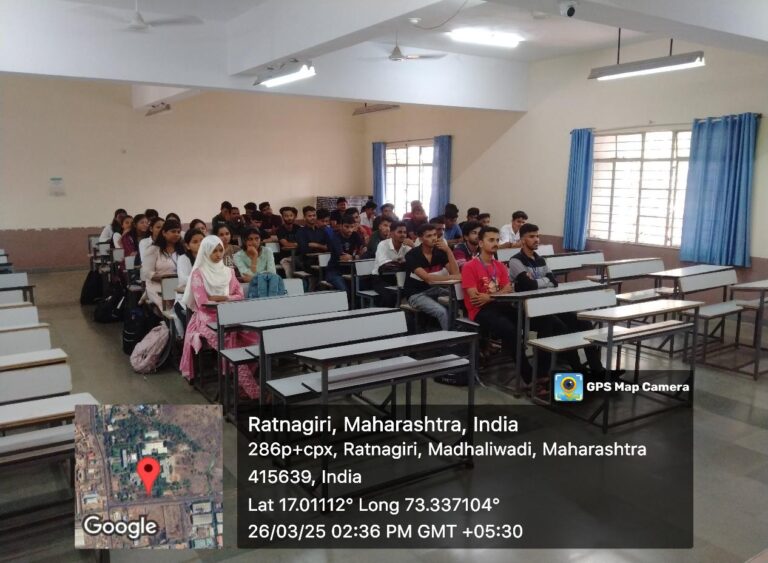
Online Expert Lecture on SCADA Applications and Introduction to DCS
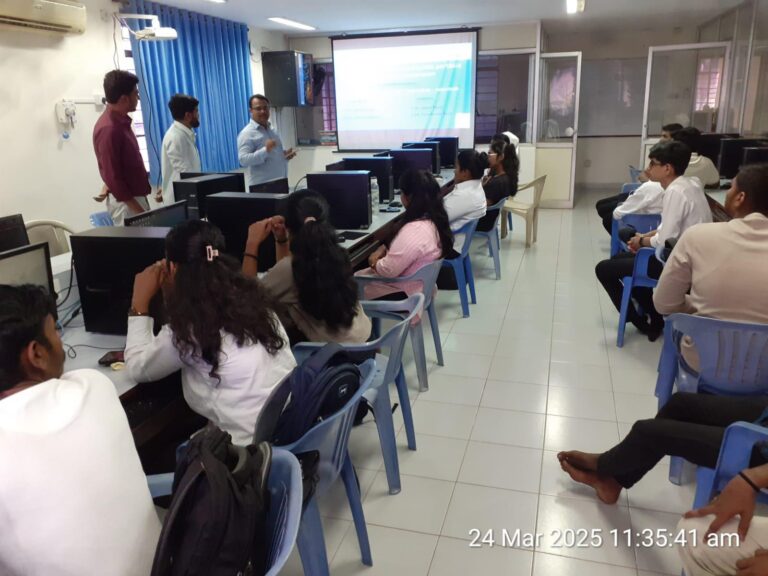
Master the Code: AI Prompting, Web portfolio and Interview Preparation
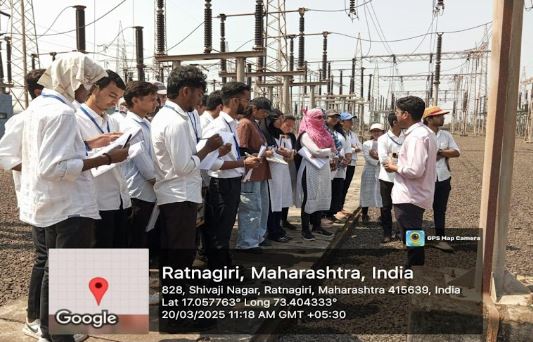
Industrial Visit to Transmission Substation at Nivali, Ratnagiri
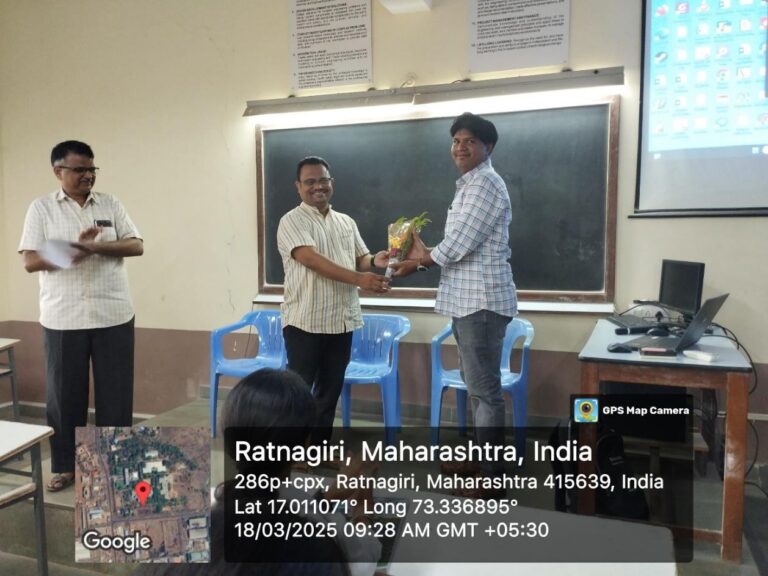
Industry Expert Lecture on Substation Equipment and Protection Relays
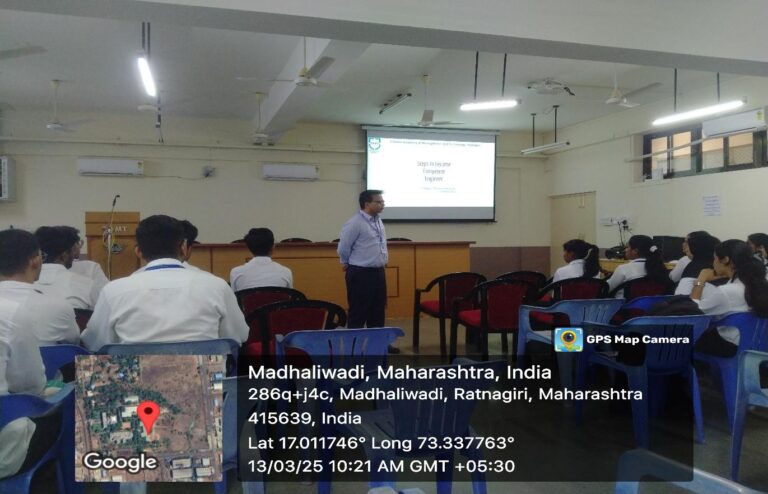
Steps to Become a Competent Engineer
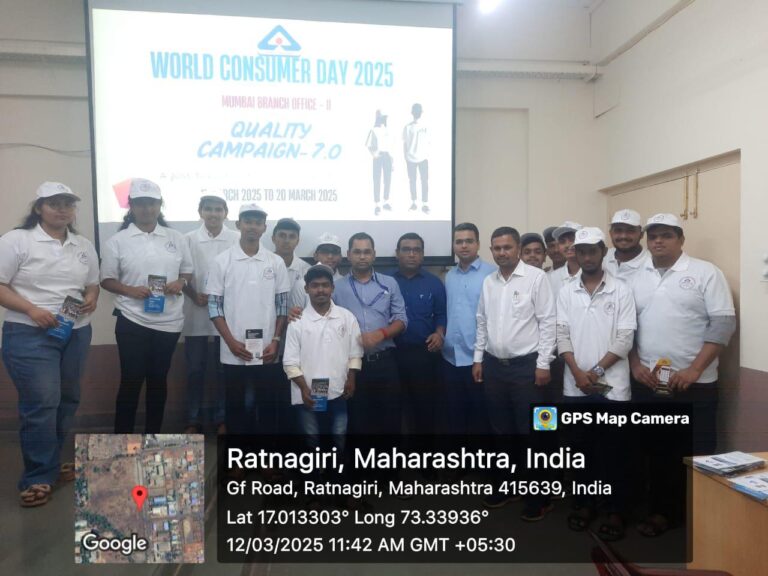
FAMT Standard Clubs Celebrates World Consumer Rights Day 2025 with BIS Expert Talk
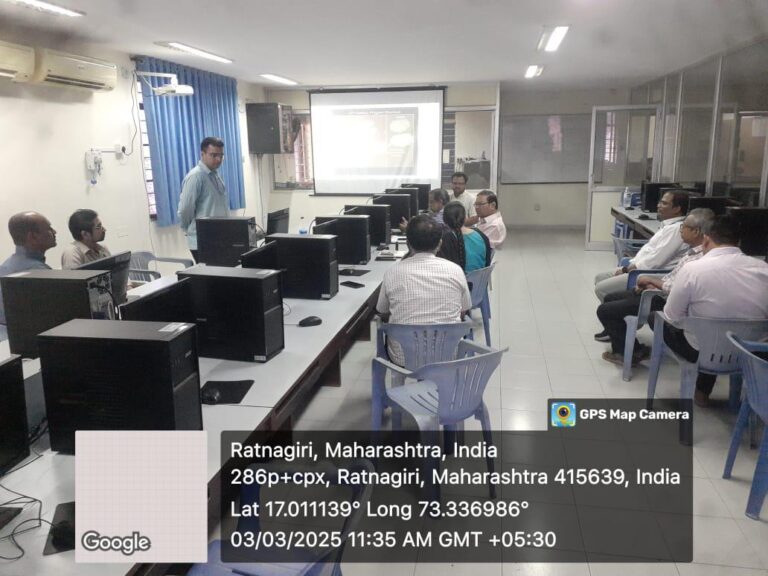
Review Meeting on “Outcome Based Education”.

COURSE ENRICHMENT ON FUNDAMENTALS OF ELECTRICAL DESIGN
First Prize in Chanakya Mandal’s State Level Essay Writing Competition

A two-day Workshop on Python, Data Science and Machine Learning Fundamentals for Electrical Engineers

A Guest Lecture on ‘How to Prepare for Technical Competitive Exams

‘KARGIL VIJAY DIWAS’ Event Organised by Electrical Engineering Department

Report on Workshop on MATLAB Simulink & Hardware Interfacing with MATLAB

Triumph of Innovation – Team Matadors from Finolex Academy of Management and Technology, Ratnagiri, at SAE INDIA

One-Day Workshop on PID Controller & PLC Simulator – Essentials for Electrical Engineers

Industrial Visit to MSCOE, Karjat

Orientation of Standards Club under Bureau of Indian Standards and National Level Quiz on Quality and Standards 2.0, Govt. of India (BIS)

EESA Celebrates Shivjayanti 2024

Workshop on Model-Based Development using MATLAB

Industry Expert Seminar by Prolific Technologies Pvt. Ltd. on “Importance of DCS and SCADA in Industrial Automation”

One-day Training on the Protection of Power Systems and Switchgear

Industry Expert Lecture on Ethics and Financial Management for an Electrical Contractor

One Day Workshop on MATLAB Onramp Self-paced Training Course
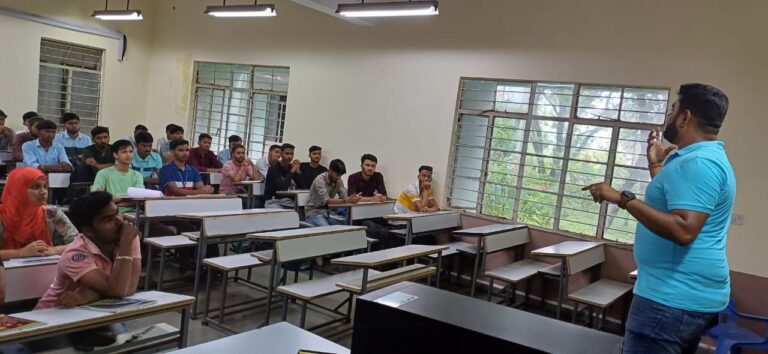
Industry Expert Session on Opportunities for Electrical Engineers in IT Sector
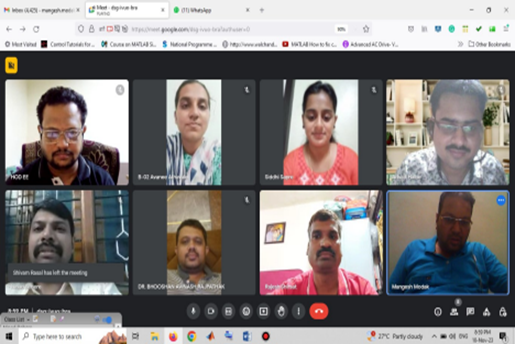
Departmental Advisory Board (DAB) Meeting 2023
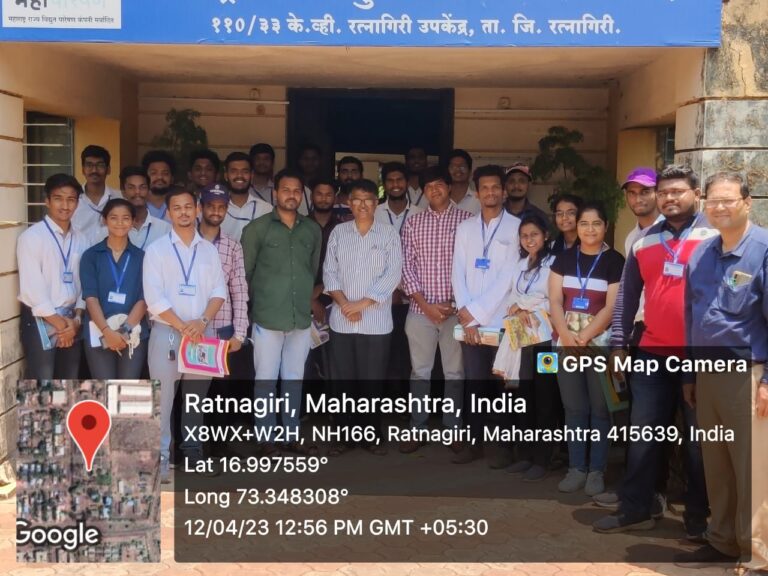
Electrical Engineering Students on Industrial Visit to Kuwarbaon Transmission Substation
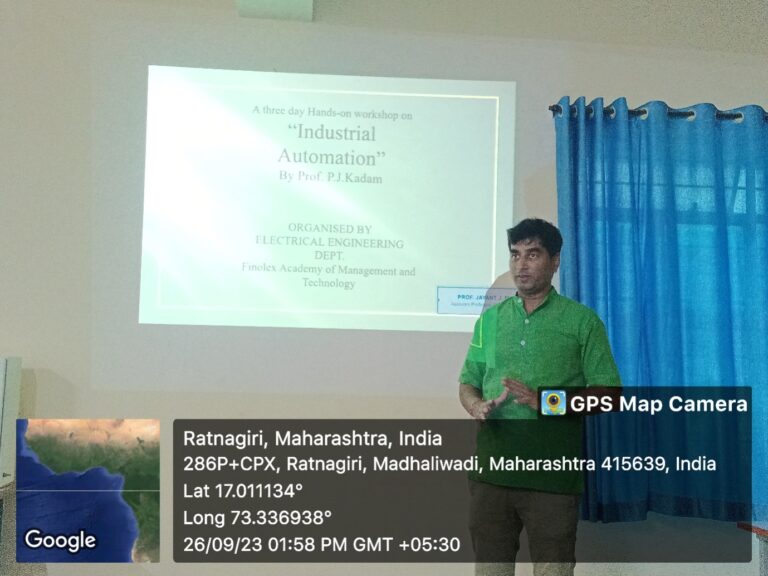
Electrical Engineering Department Held a Workshop on Industrial Automation
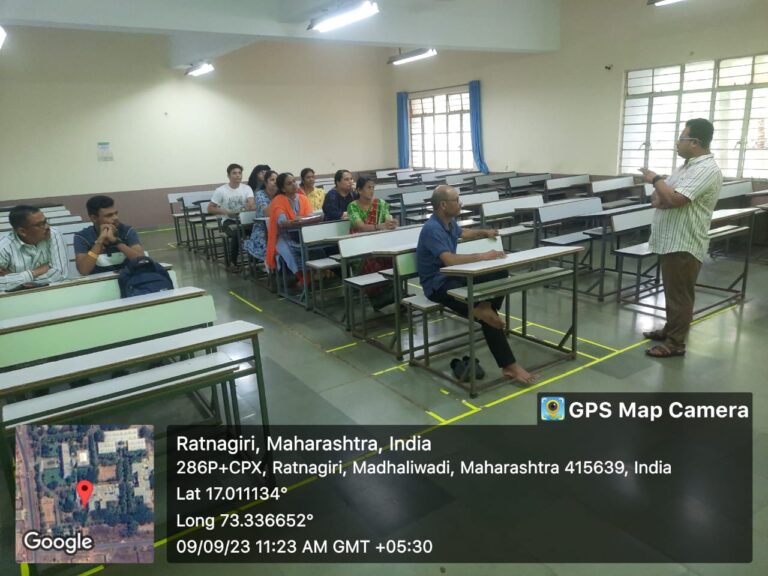
Electrical Engineering Department Held a Parent Meeting for Students with Year Drop
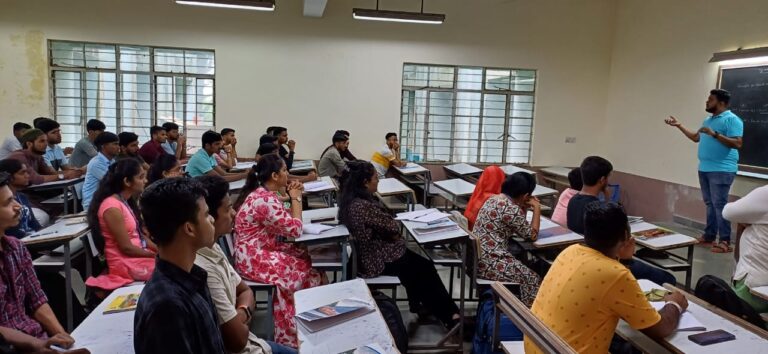
Industry Expert Session on Opportunities for Electrical Engineers in the IT Sector
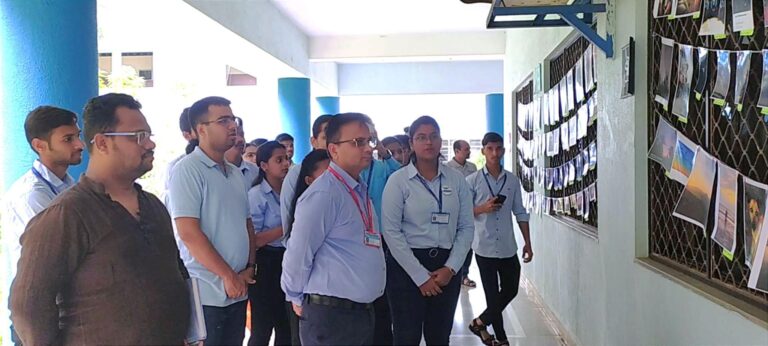
EESA Arranged Photography Exhibition on World Photography Day
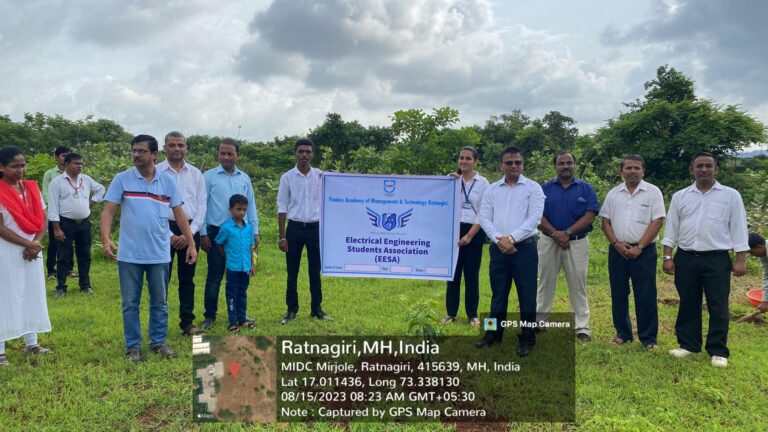
EESA Held a Tree Plantation Drive
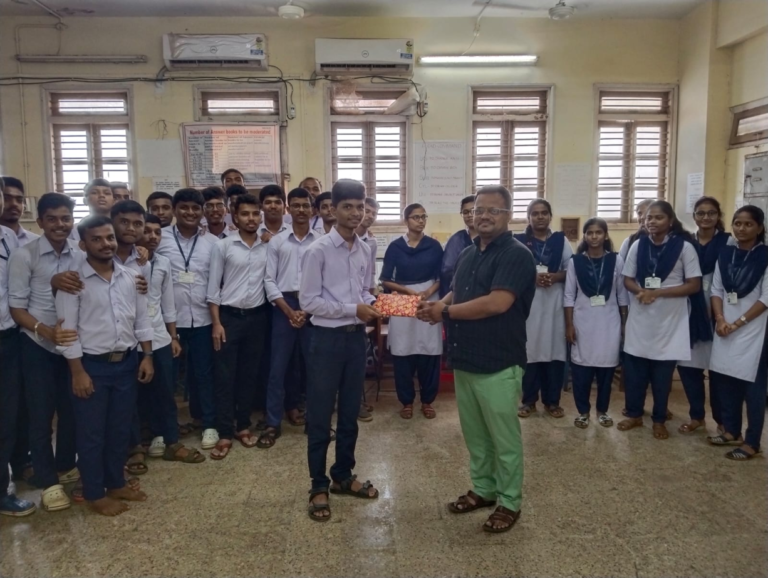
One day Workshop on Introduction to Arduino Programming with Tinkercad
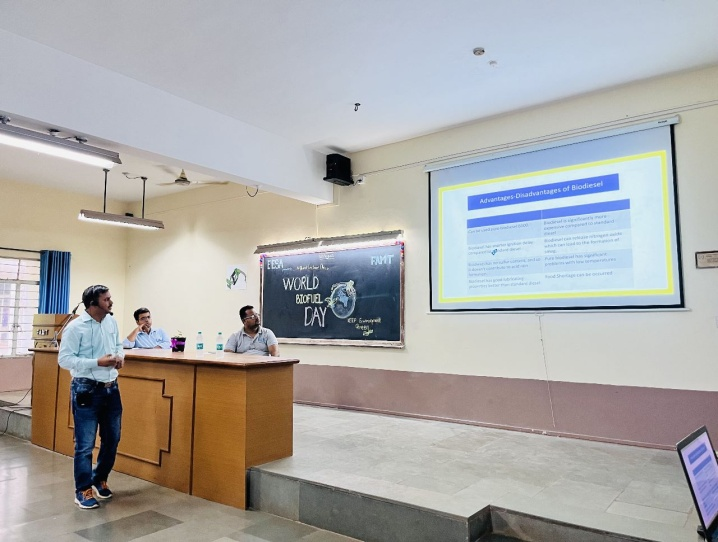
EESA Celebrated World Biofuel Day
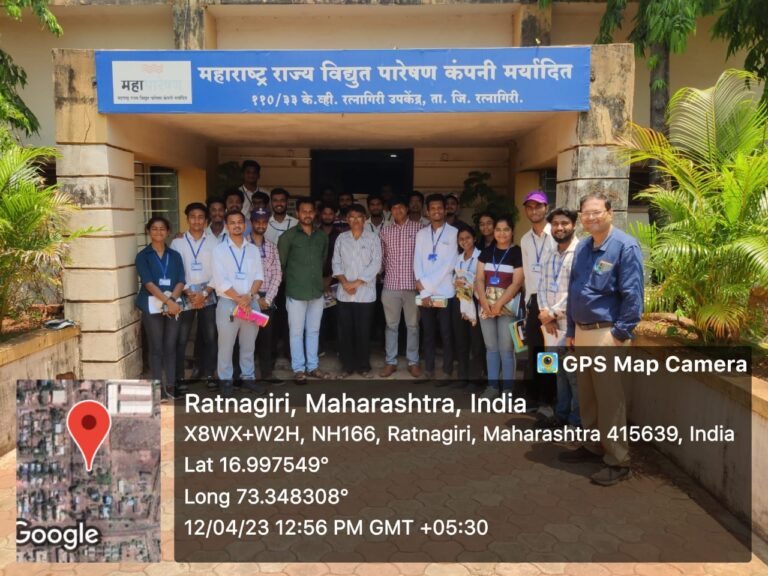
Electrical Engineering Students on Industrial Visit to Kuwarbaon Transmission Substation
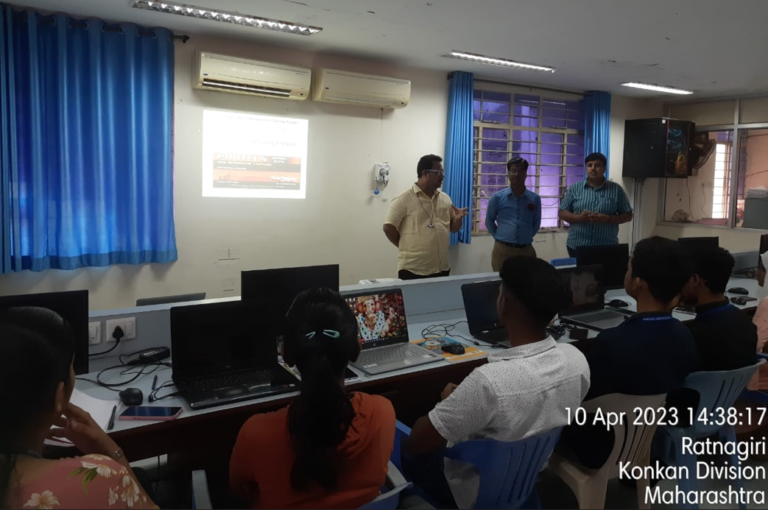
Two days Workshop on Project Design using PROTEUS
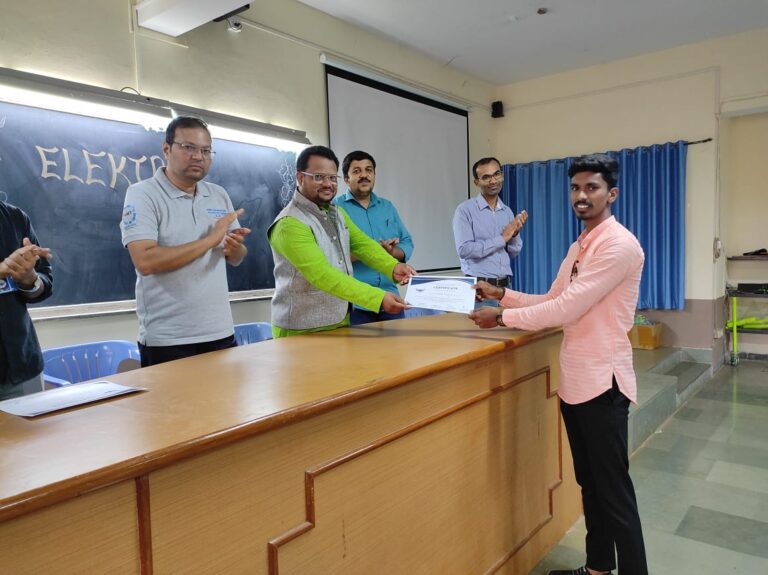
ELEKTRA 2K23– A Technical Festival by EESA
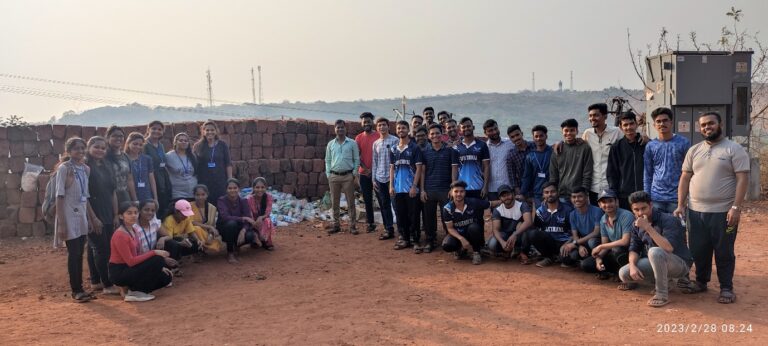
Ratnadurg Fort Clean-up Drive
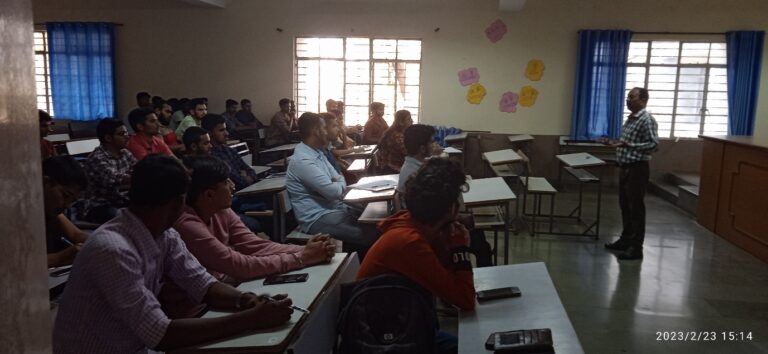
Industry Expert Session by Prolific Technologies Pvt. Ltd. on Importance of Automation for Electrical Engineers
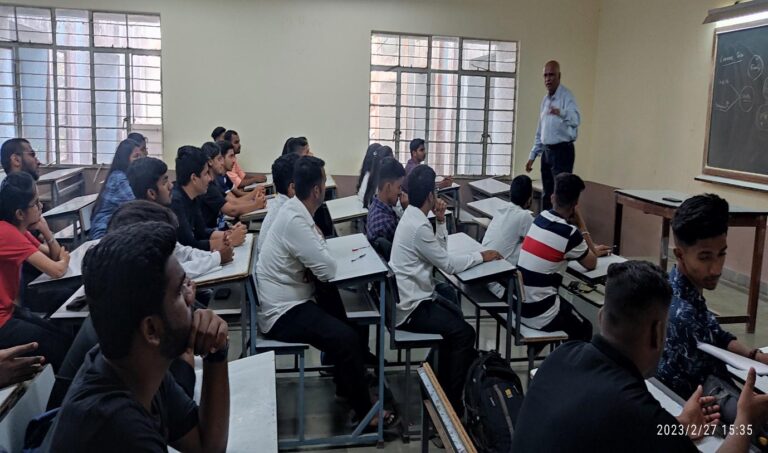
Industry Expert Session by Adisoft Technologies Pvt. Ltd.
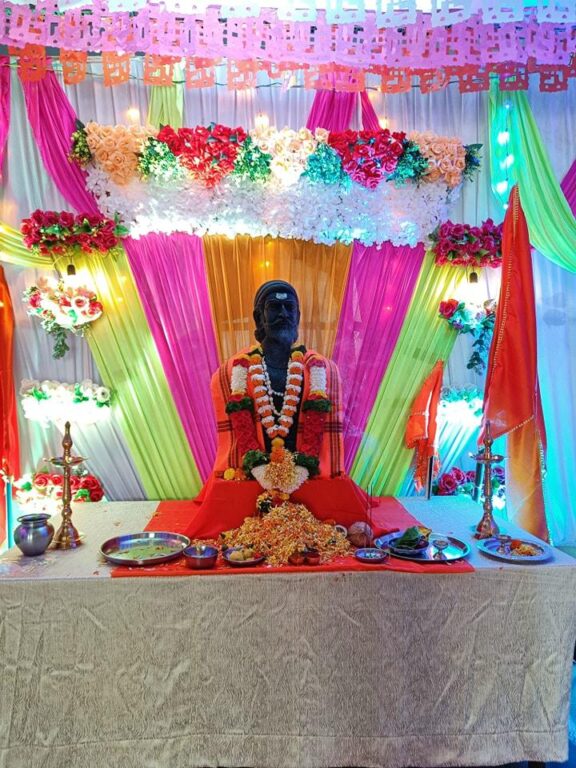
Celebration of Chatrapati Shivaji Maharaj Jayanti 2023
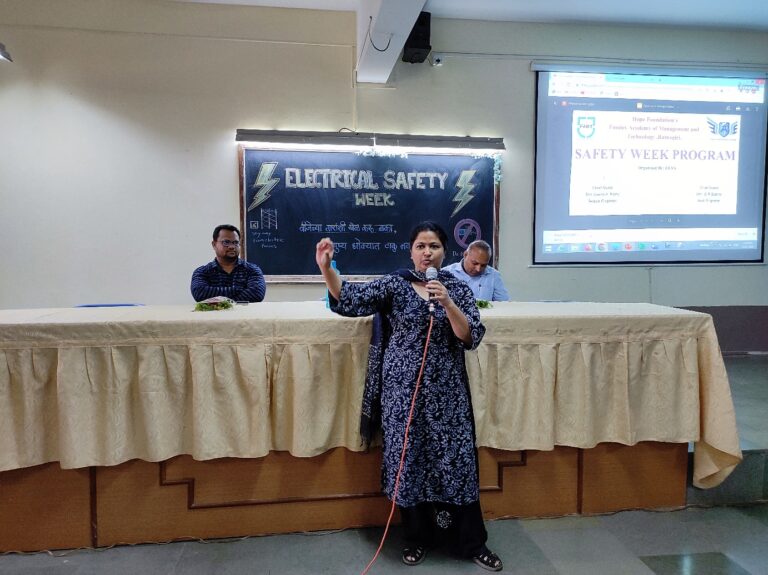
Department of Electrical Engineering Held a Guest lecture on Electric Safety
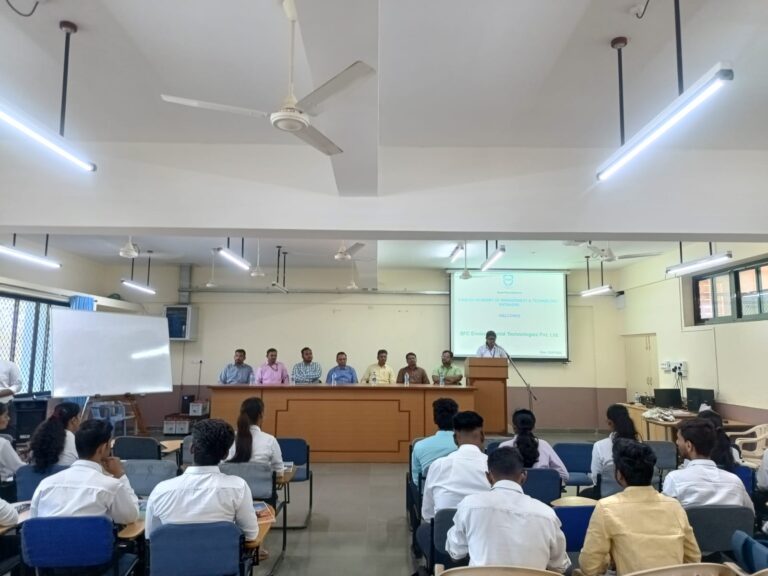
Industry Expert Session on Recent Trends in Industrial Automation by SFC Environmental Technologies Pvt. Ltd.
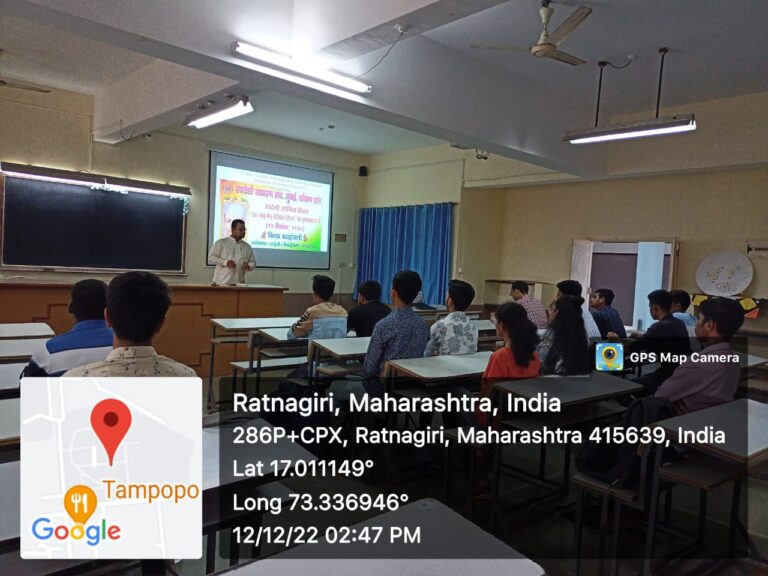
Swadeshi Udyamita Divas
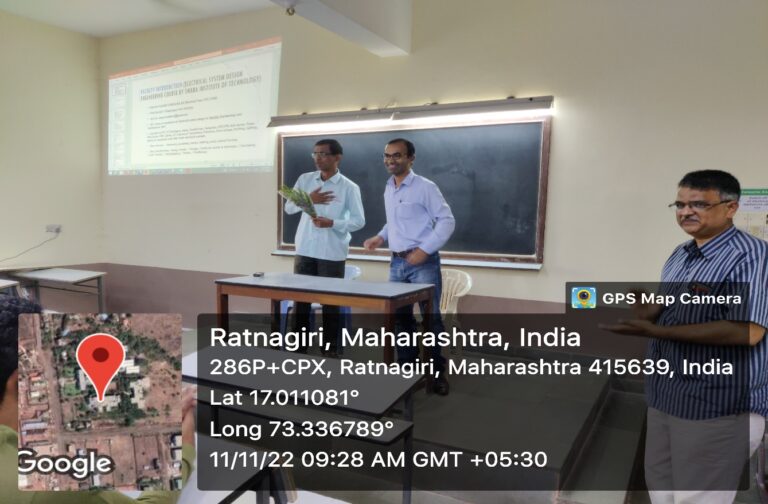
‘COURSE ENRICHMENT ON FUNDAMENTALS ELECTRICAL DESIGN ENGINEERING
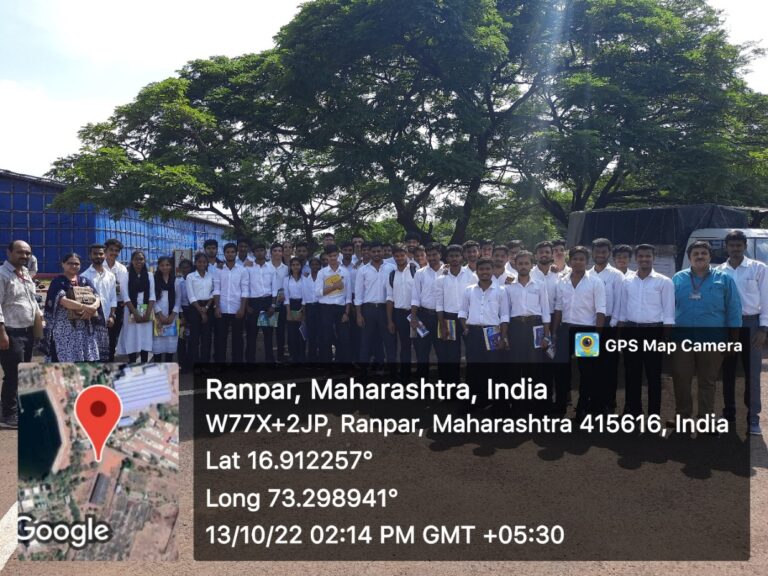
Electrical Engineering Students on Industrial Visit to Finolex Power Plant
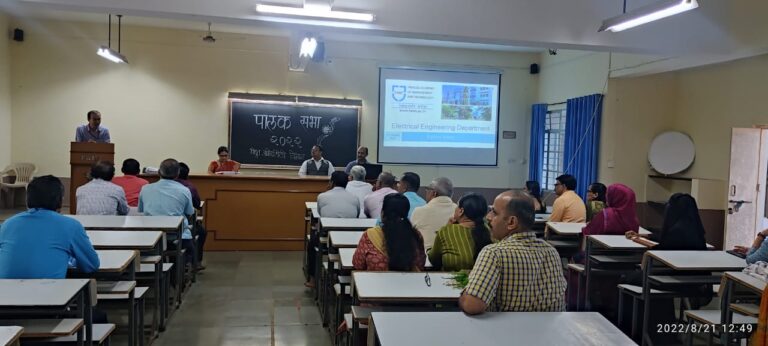
Parents Meet of Department of Electrical Engineering
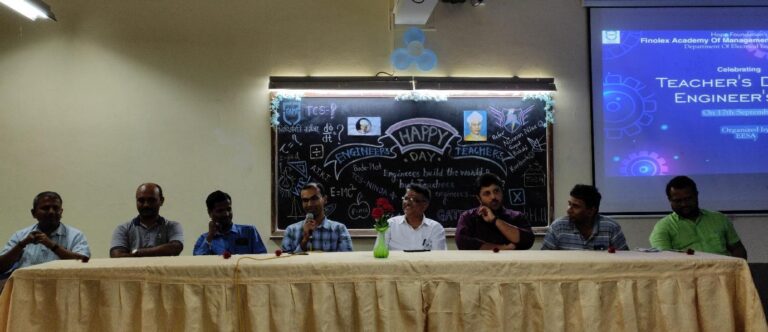
EESA Celebrated Teacher’s and Engineers’ Day
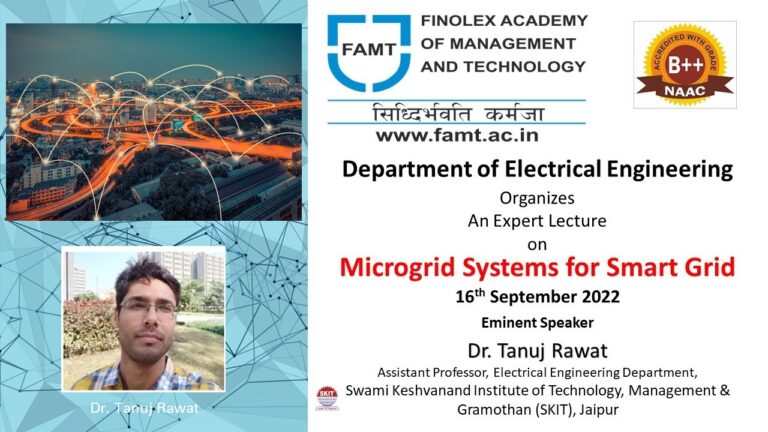
An Expert Lecture Organized for BE Electrical Engineering Students
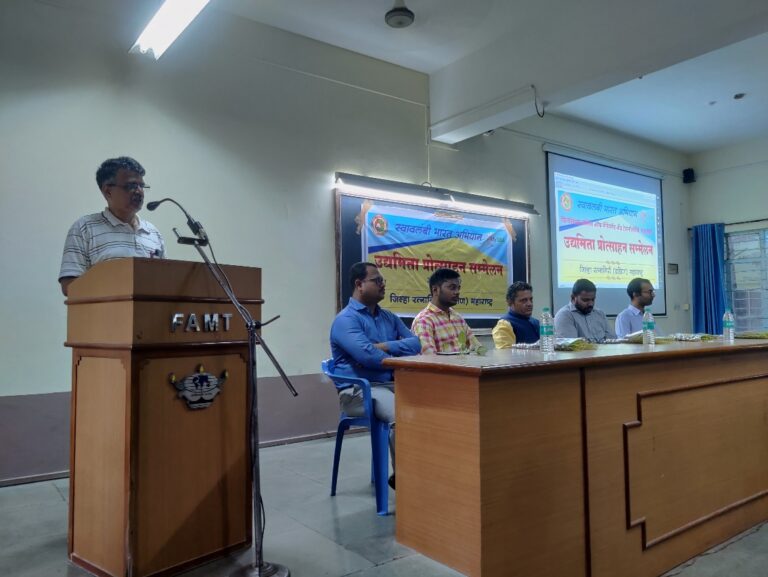
Udyamita Protsahan Sammelan
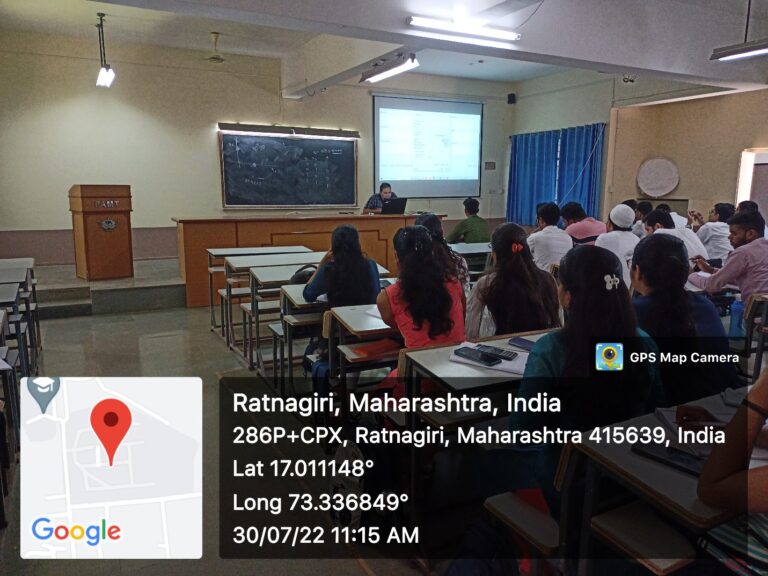
Add-On Course on Soft Computing for Electrical Engineering Students
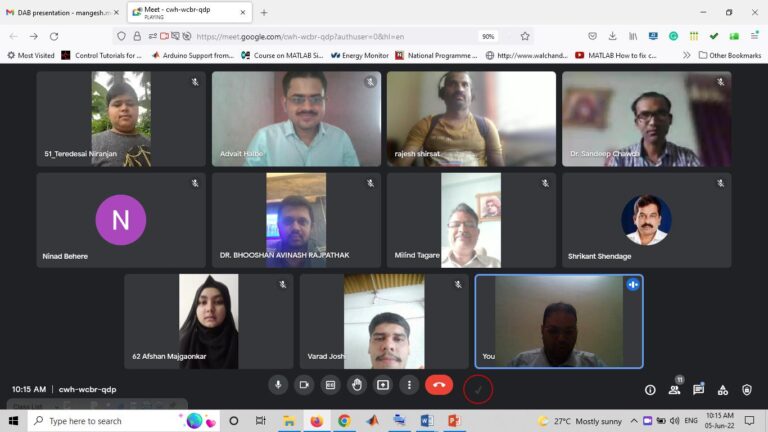
Departmental Advisory Board (DAB) Meeting
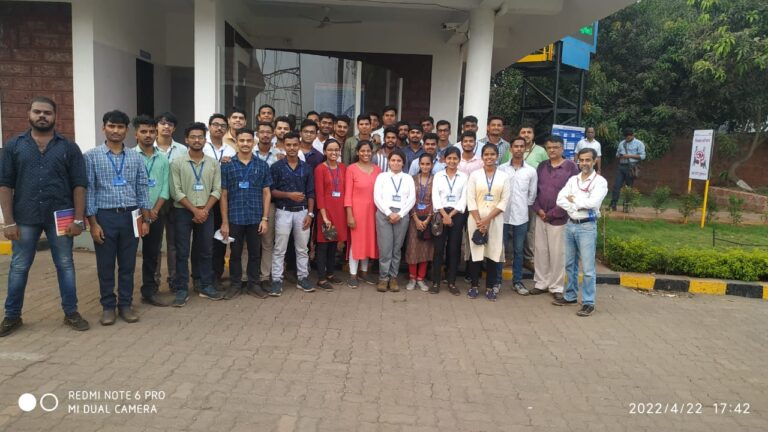
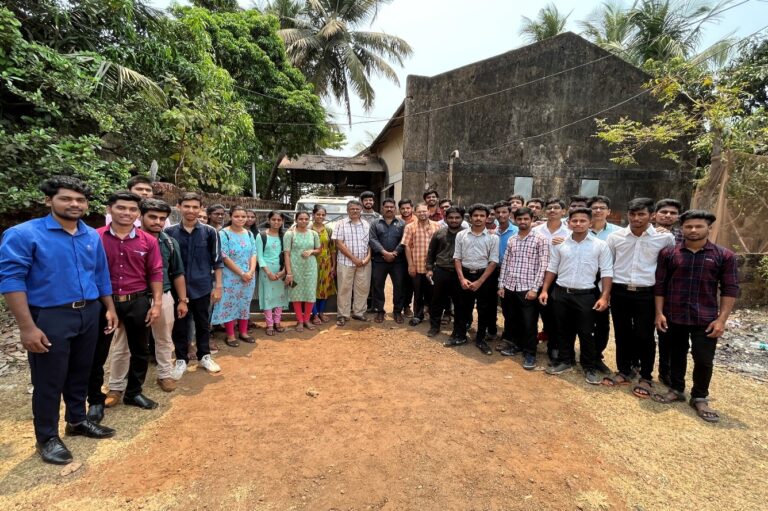
Electrical Engineering Students on Industrial Visit to JSW Power Plant
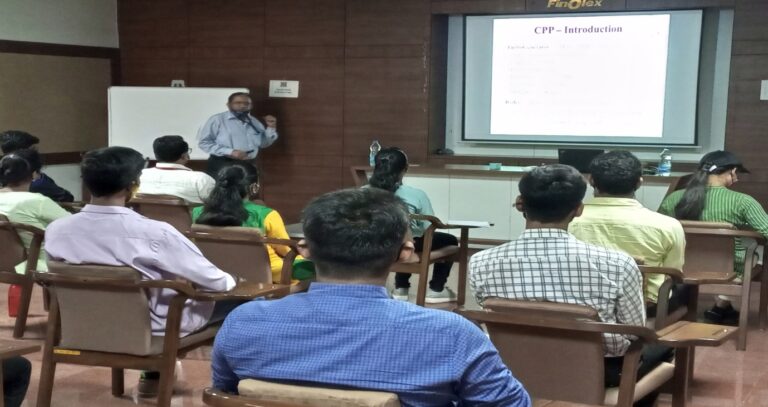
Electrical Engineering Students on IV to Finolex Power Plant
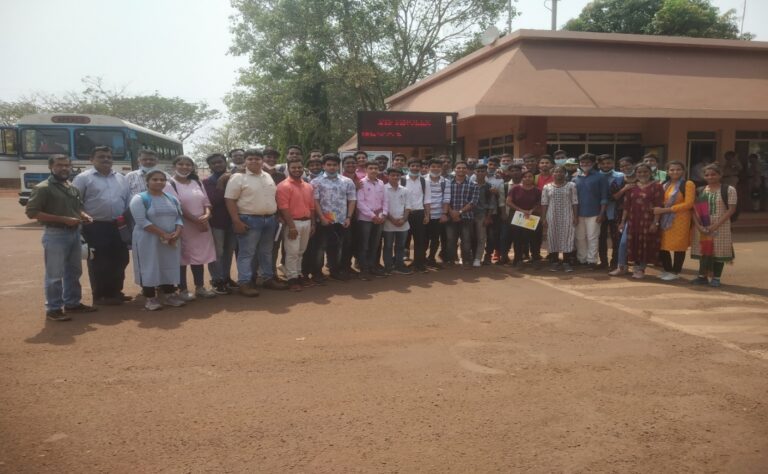
Electrical Engineering Students on Industrial Visit to M/s Bharat Electricals
Electrical Engineering Students on Industrial Visit to Finolex Power Plant
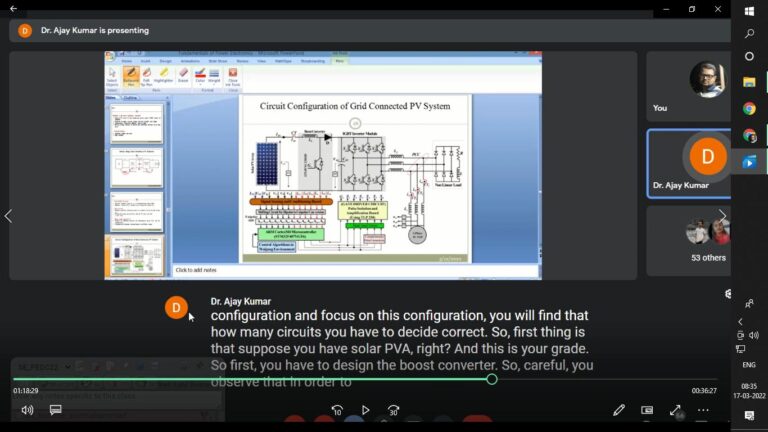
Expert Lecture on Fundamentals of Power Electronics & Application in Power Systems
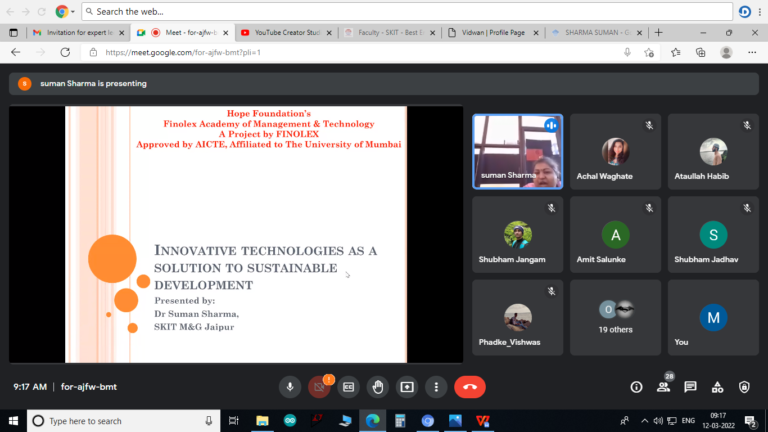
An Expert Lecture on Innovative Technologies
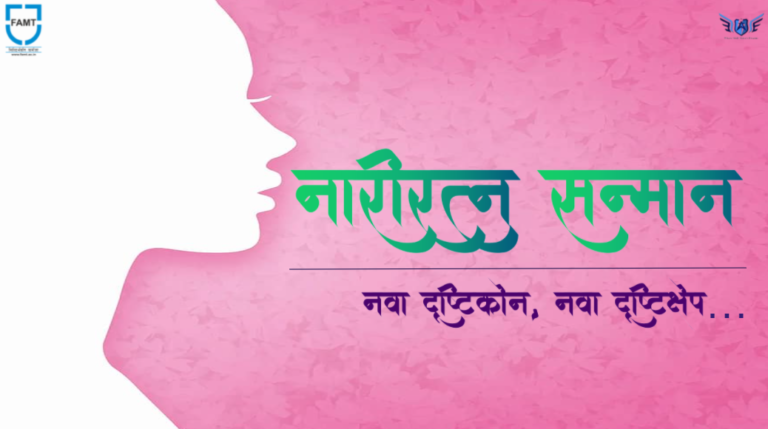
Women’s Day Celecbration by Electrical Engineering Student’s Association
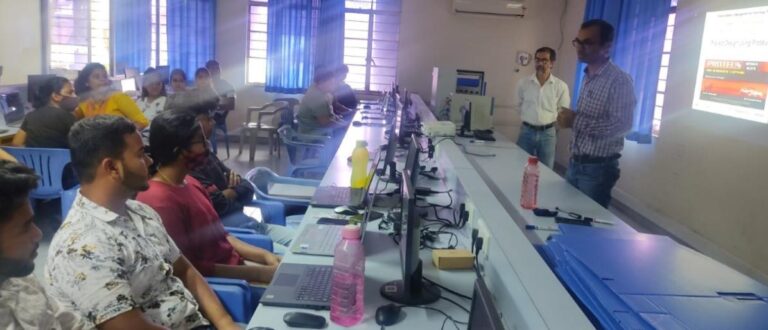
Two Days Workshop on Microcontroller Based Project Design using Proteus
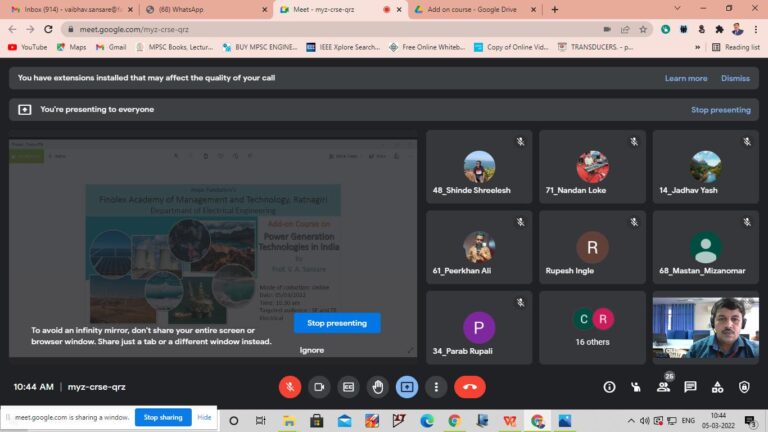
Add-on Course on Power Generation Technologies in India
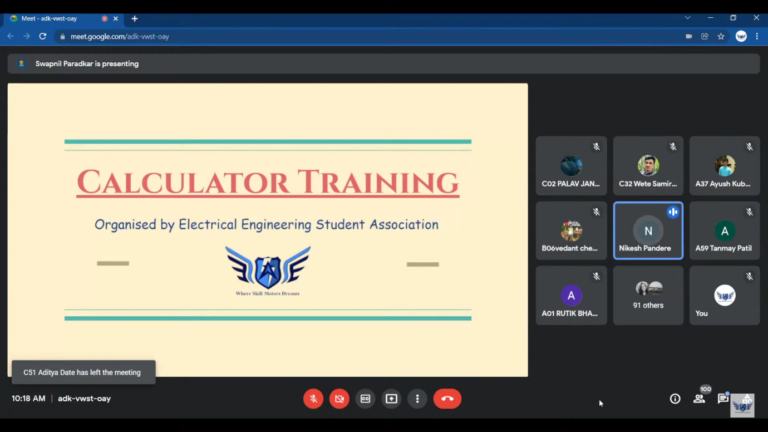
Scientific Calculator Training to FE Students
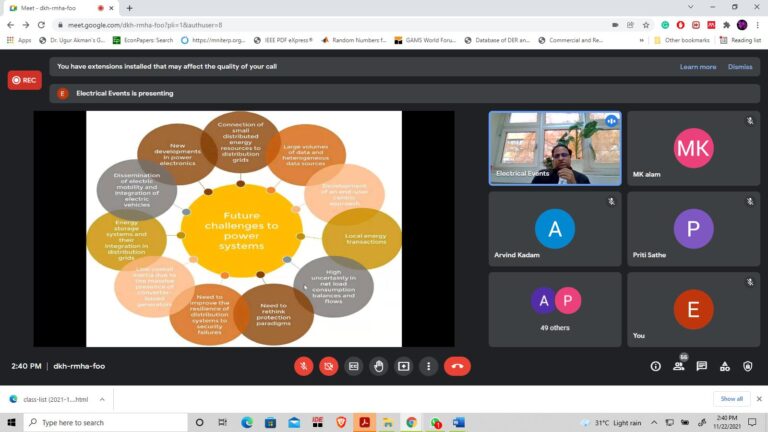
FDP on ‘Challenges in Evolving Power System’
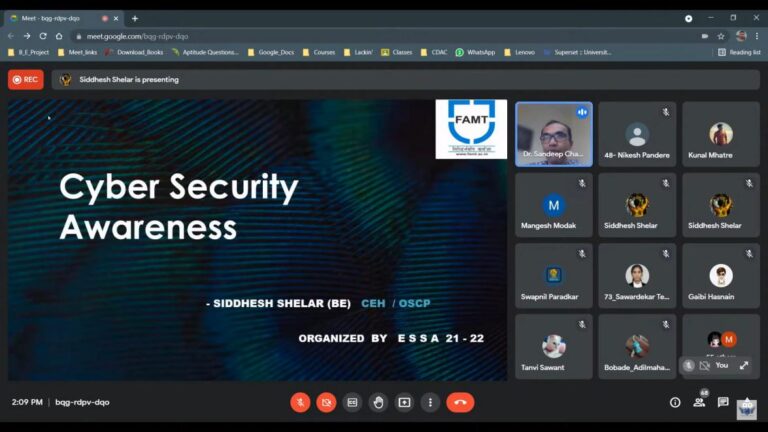
A Webinar on Cyber Awareness
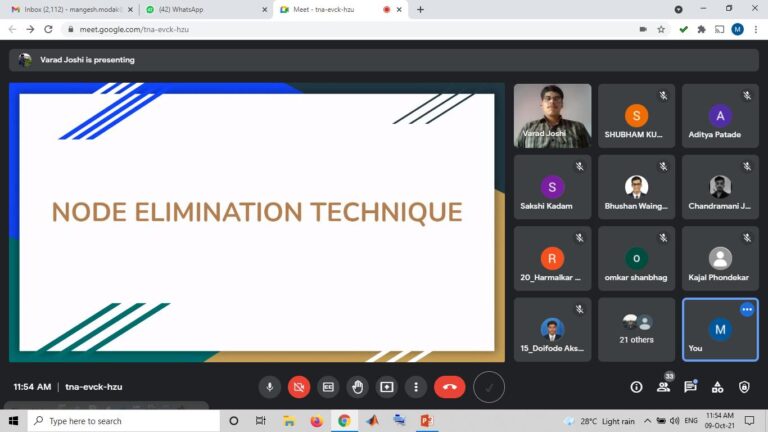
EESA Celebrated Teachers’ and Engineer’s Day
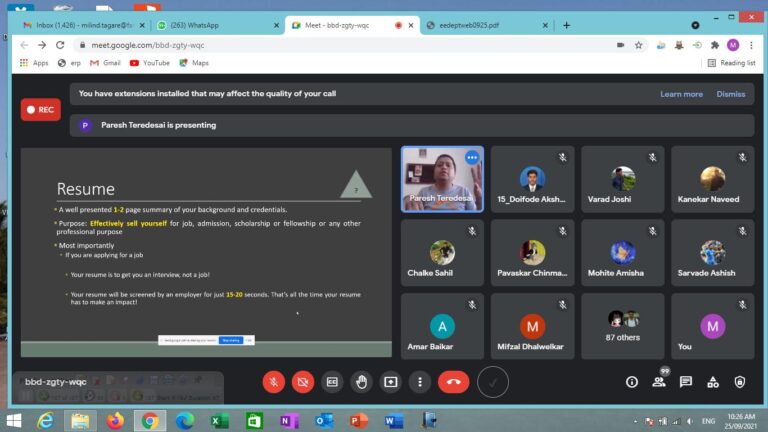
A Webinar on Gearing Up-Phase II
A Webinar on Gearing Up-Phase I
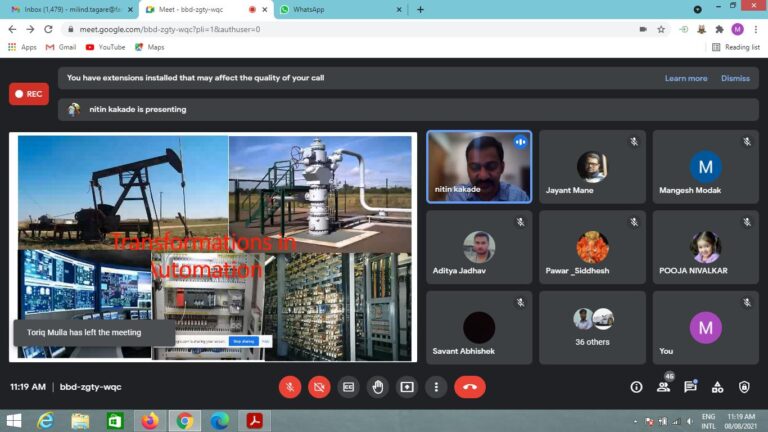
A Webinar on Transformation in Industrial Automation
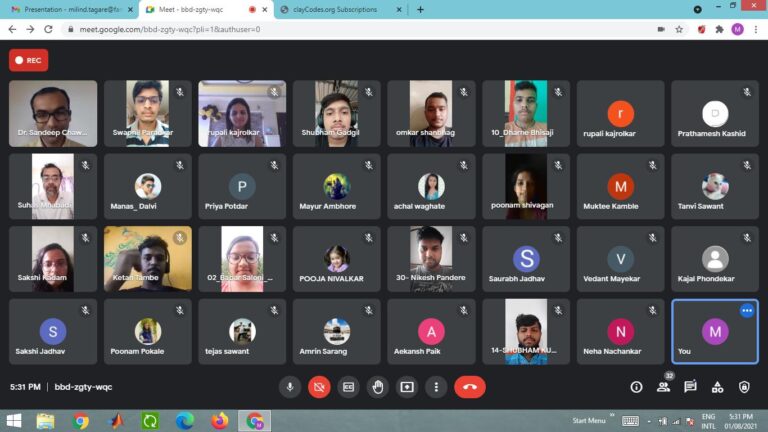
A webinar on Electrical Engineering-Orientation towards Industry Solutions
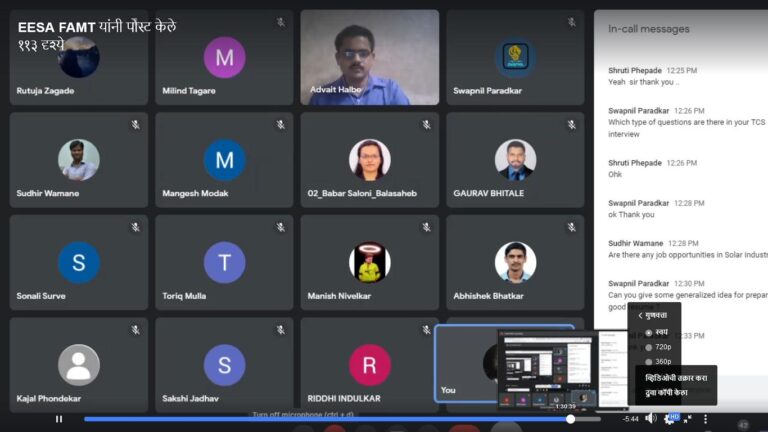
A Course Enrichment Webinar on Model-based Development
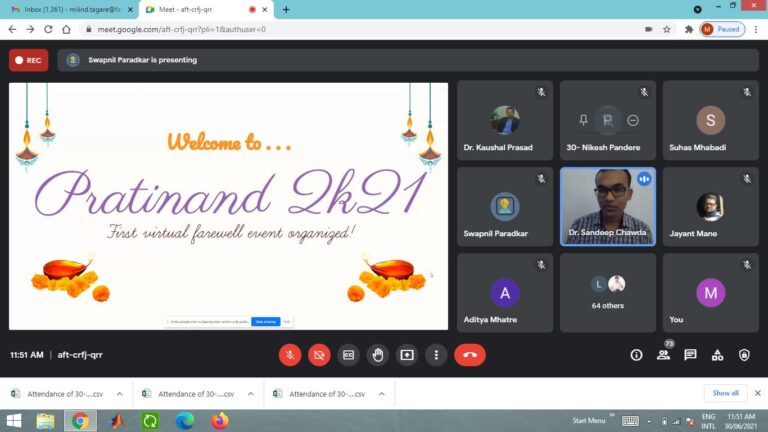
Farewell Ceremony for graduating students of A.Y. 2020-21
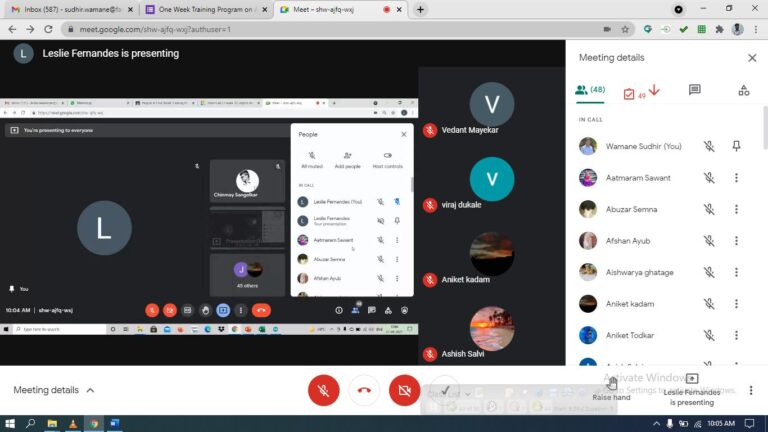
One Week Training Program on Arduino Programming and its Application in Power Systems
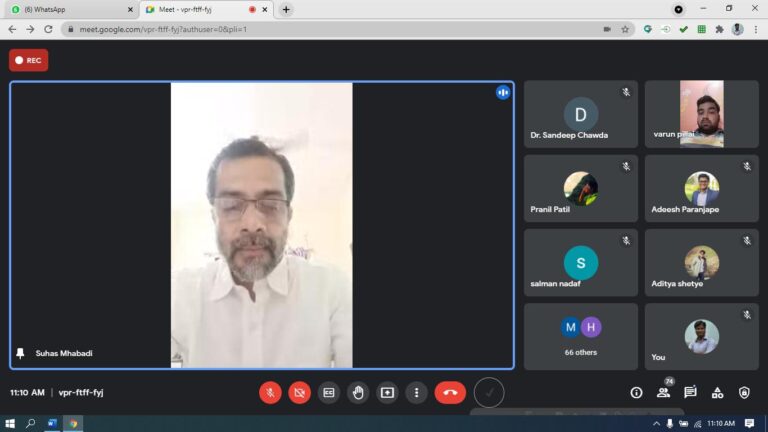
Webinar on Higher Education in Foreign Countries
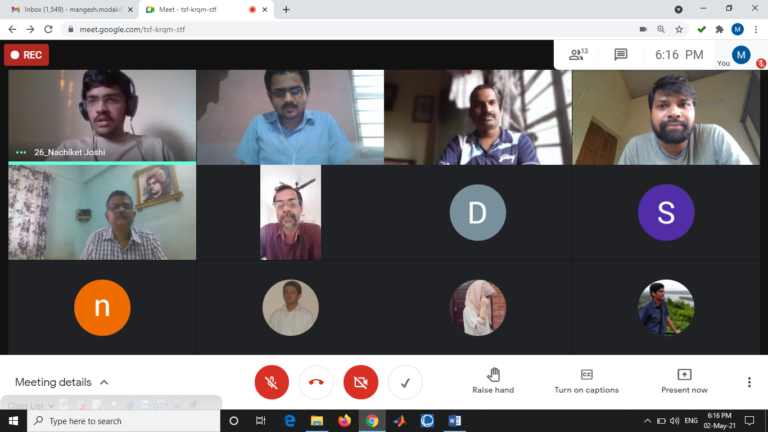
Departmental Advisory Board (DAB) meeting
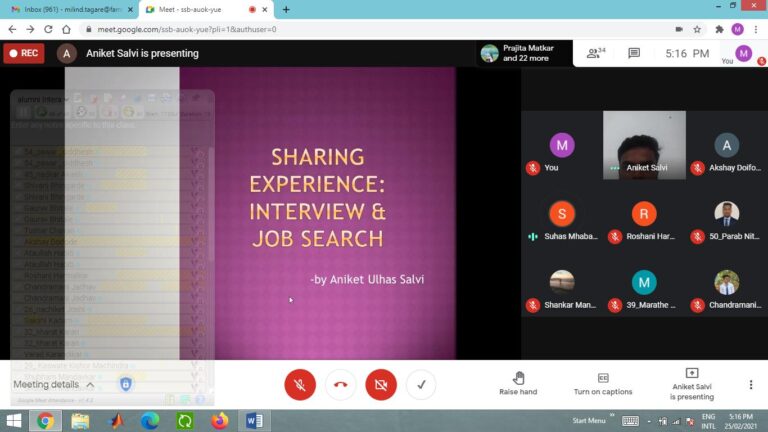
Webinar on a Career path after BE in Electrical Engineering – Sharing Experiences
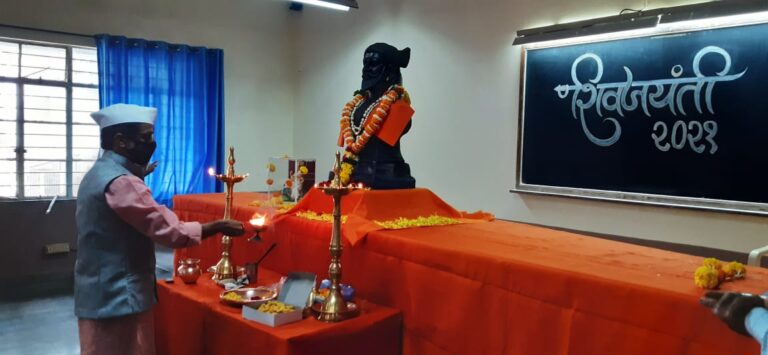
Celebration of Chatrapati Shivaji Maharaj Jayanti 2021
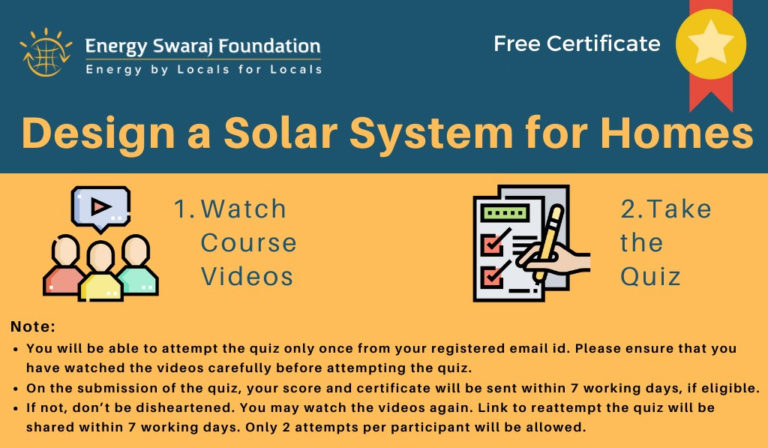
Online Certification Course on Learn to Design Solar Home System
National Level Online Quizzes on Electrical Engineering
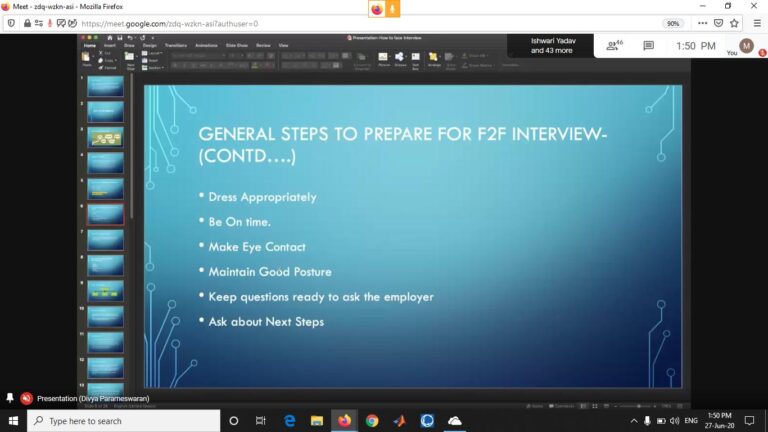
A Webinar on- How to face interview for Newbies
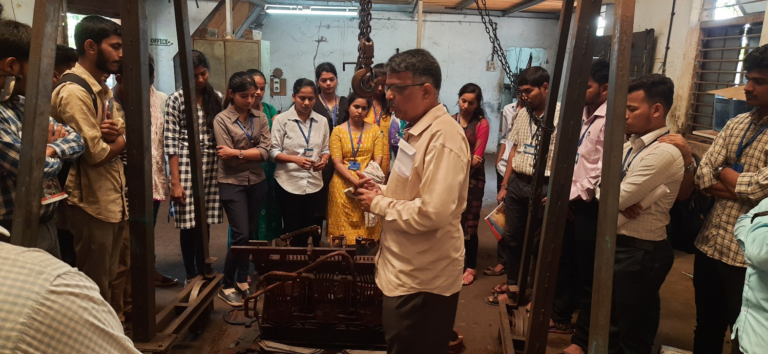
Industrial Visit to M/s Bharat Electricals
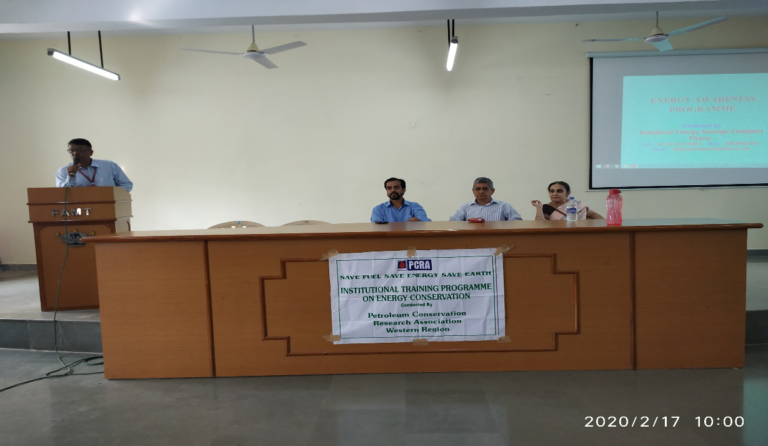
A Two Days Workshop on Energy Audit
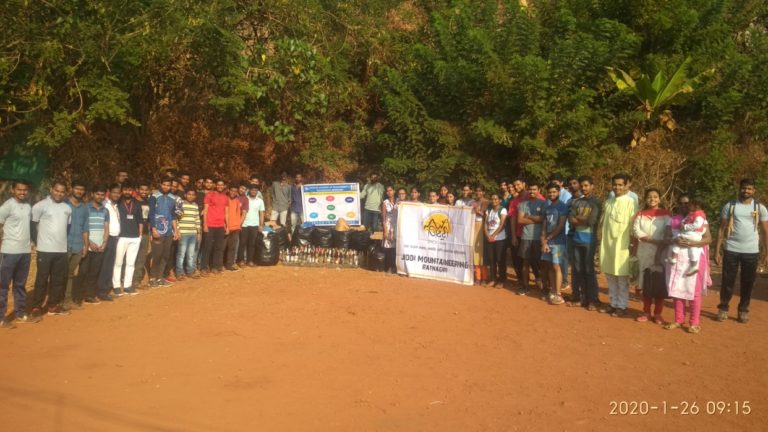
Ratnadurg Fort Clean-up Drive
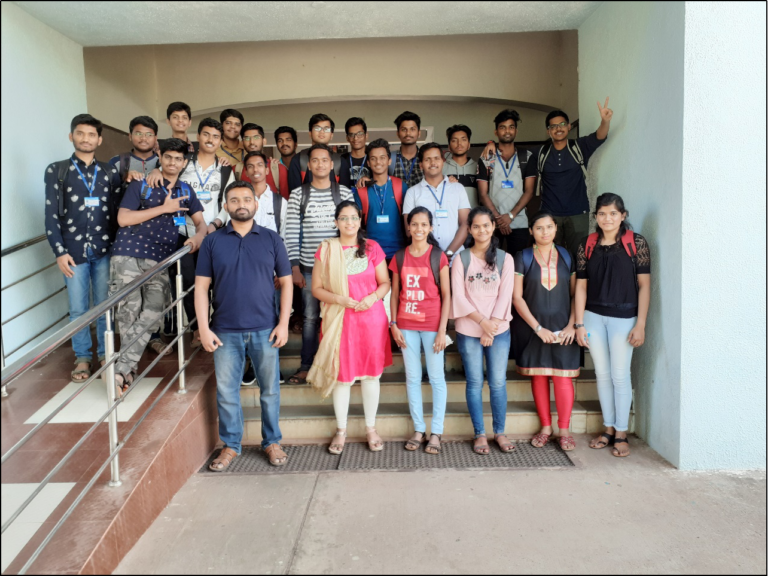
Workshop on Circuit Simulation
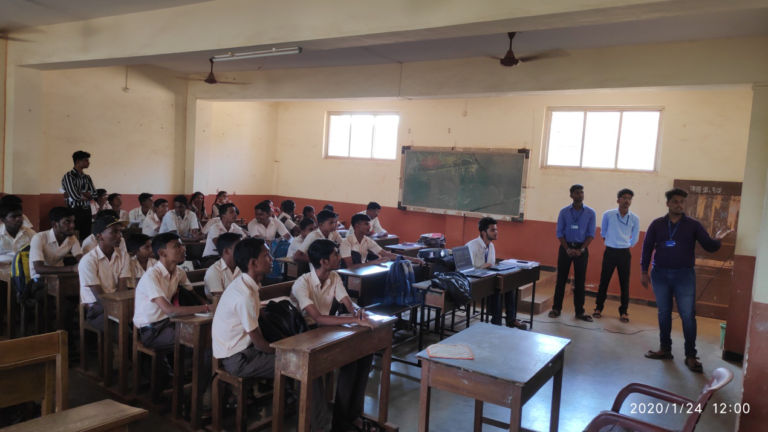
Electric Safety Awareness Campaign
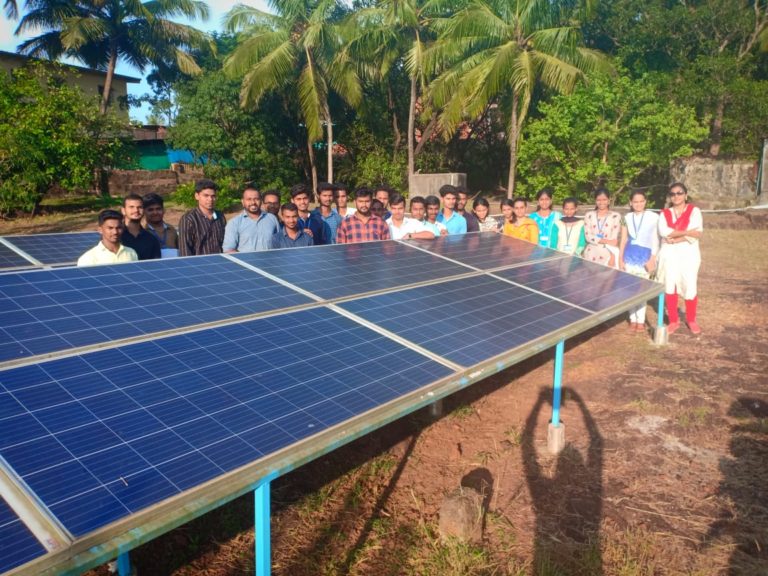
IV to 5 Kw Grid Connected Solar Power Plant
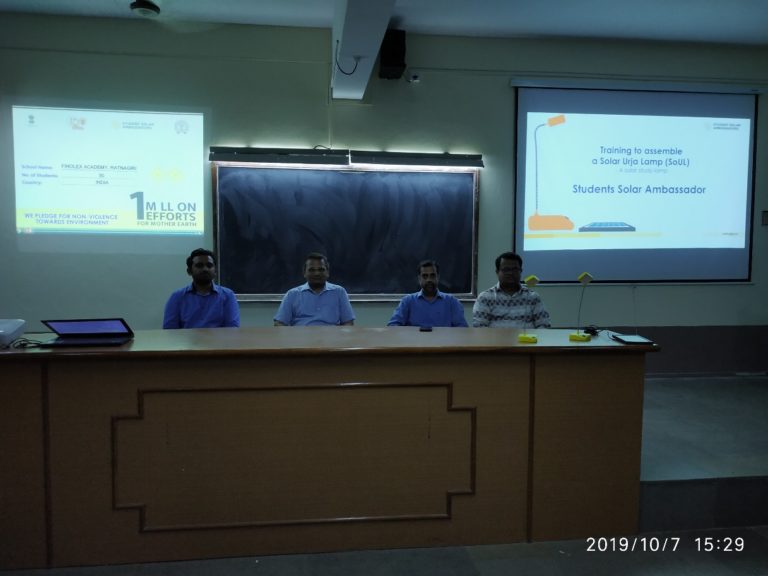
Gandhi Global Solar Yantra Workshop 2019
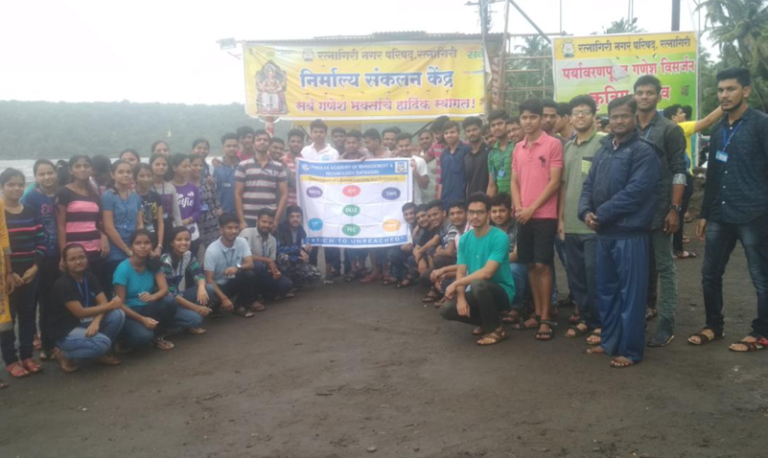
Mandovi Beach Cleanup Drive
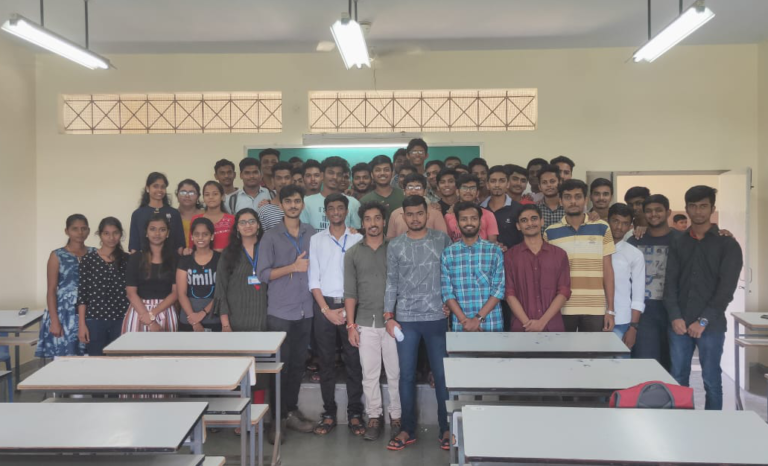
Aptitude Training Programme for F.E.
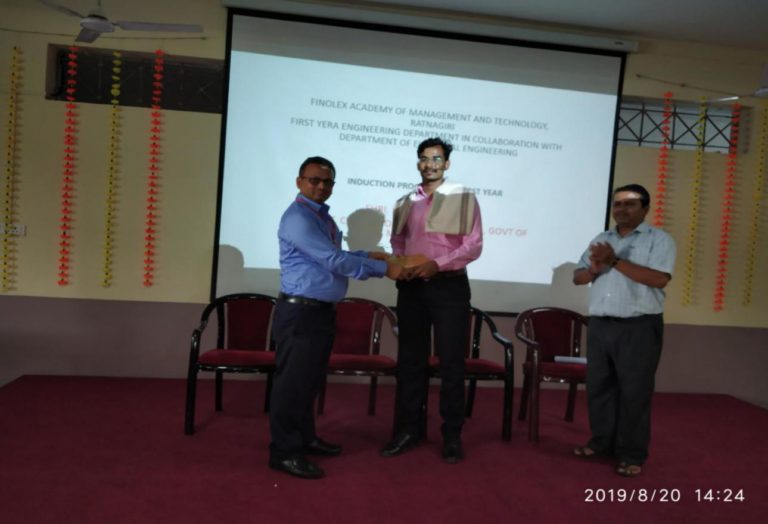
A Motivational Talk with Alumni
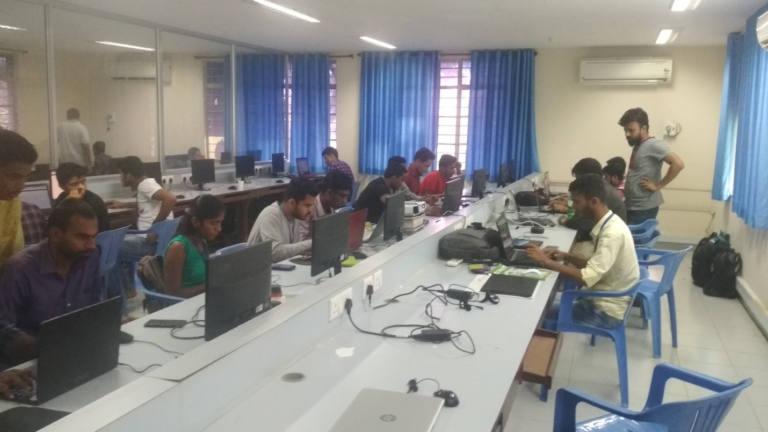
One Day Workshop on Fundamentals of Python

One-day workshop on Estimation and Tendering
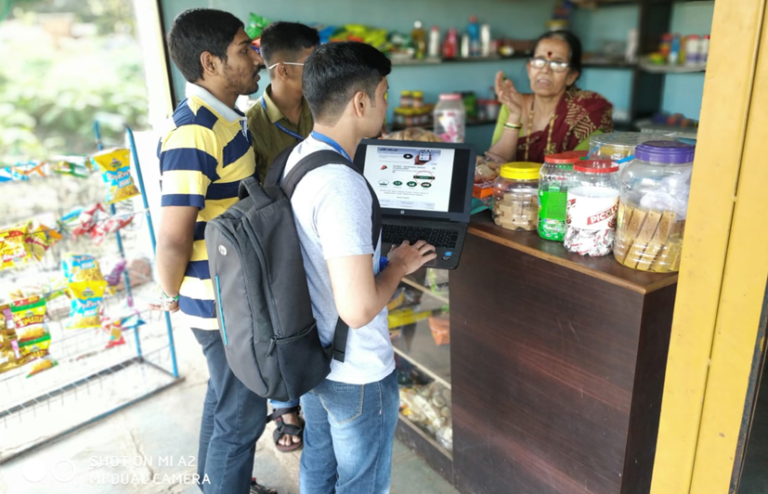
Digital Transaction Awareness Campaign 2018-19

A Two Days Workshop on Energy Audit

ELEKTRA 2K19 – Technical Festival

RATNADURGA Fort Cleanup Drive 2018-19

A Guest Lecture on Electrical System Design

Electric Safety Awareness Campaign 2019

FAMT Won at State Level Competition

Guest Lecture on ‘Preparation for MPSC’

Teachers’ and Engineers’ day

Donation Drive for Flood Victims of Kerala

Calculator Training Program

A Seminar on NPTEL Awareness

Guru Purnima Celebration

Digital India Campaign – BHIM App

EESA Organized ELEKTRA 2K18

A Seminar on Opportunities in Defence

A seminar on Substation Equipment’s

Fort Cleanup Drive organized by EESA

Electric Safety Awareness Campaign

Donation Drive for the children of AVISHKAR

A Guest Lecture on Electric Safety


Farewell Programme

Parents’ Meet of SE Electrical Engineering

A Seminar on Power Scenario in India

Guest Lecture on Research and Methodology

Welcome Programme for SE Electrical students

Teacher’s Day Celebration

Tuning of PID Controllers enrichment program
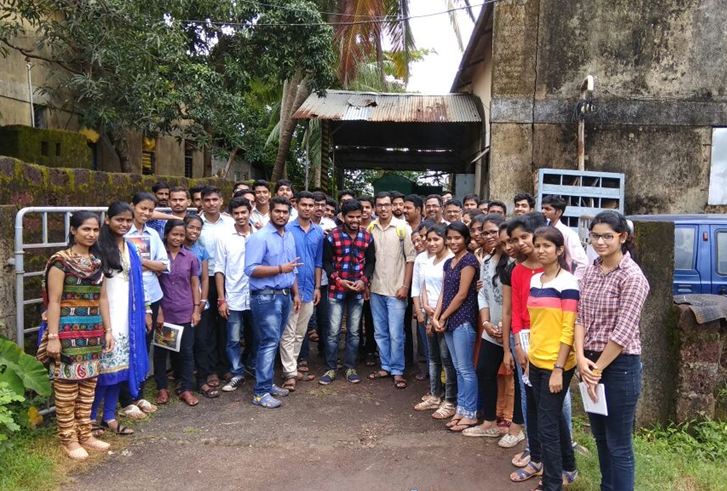
Industrial visit to Bharat Electricals
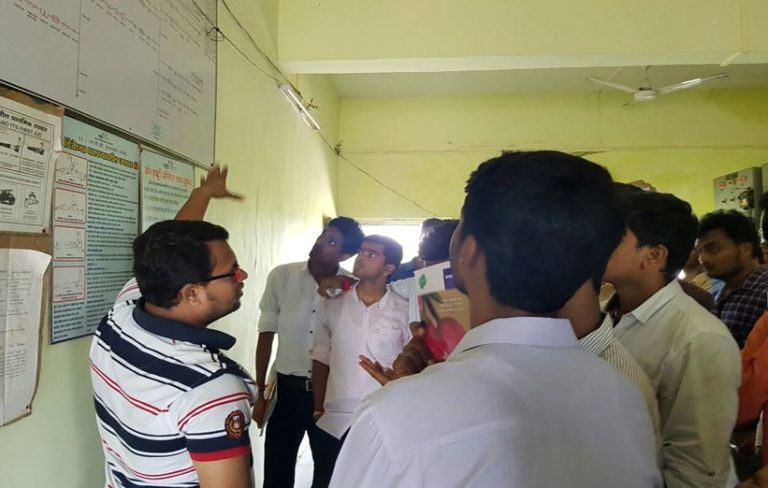
The industrial visit of B.E. Electrical students
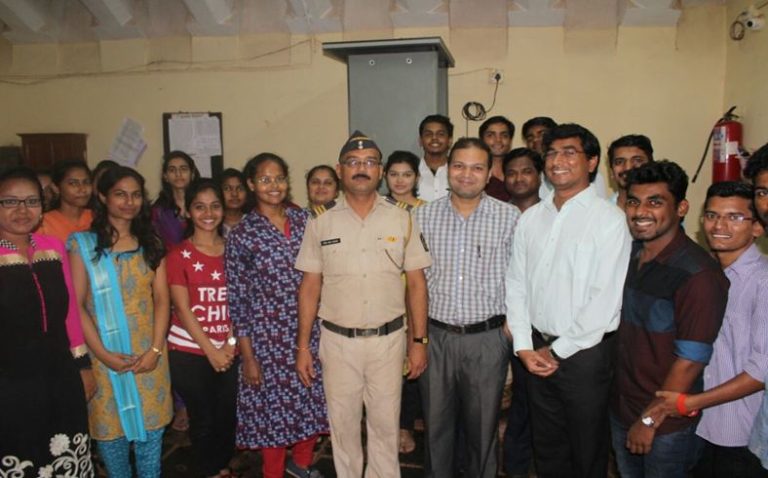
Rakshabandhan with the Ratnagiri Police Department

Guest Lecture on Preparation of GRE

Guru Purnima Celebration and Introduction of EESA

Guest Lecture on GATE Preparation
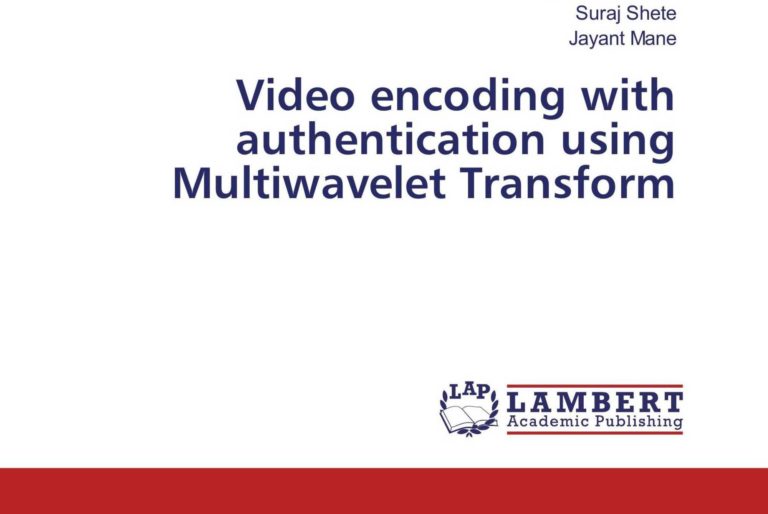
Book Published on Video Encoding
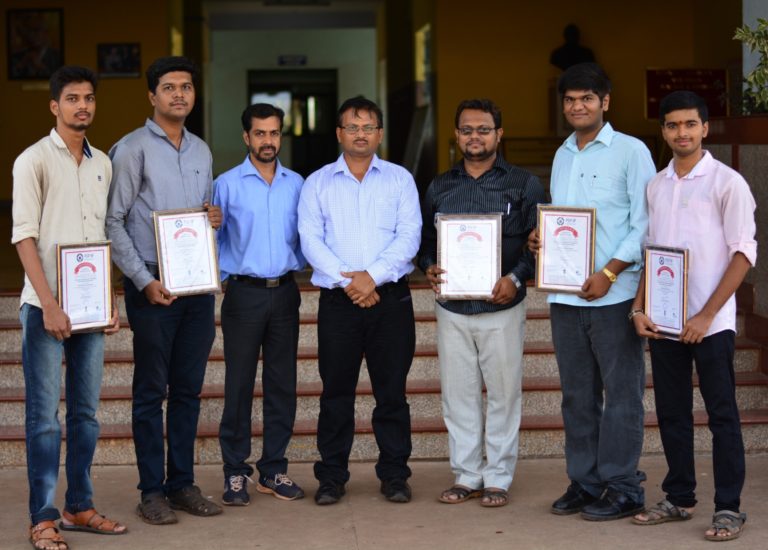
A patent filed by Finolex Students

Workshop on PCB Designing

Workshop on PROTEUS Software

Parents’ Meet of TE Electrical

ELEKTRA Event 2K17

ISTE Best Student Award 17

Parents Meet of SE Electrical Students

Digital India Campaign BHIM App

Short-term Course in FACTS DEVICES

Talk on ‘Cashless banking’

Two day’s workshop on Energy auditing
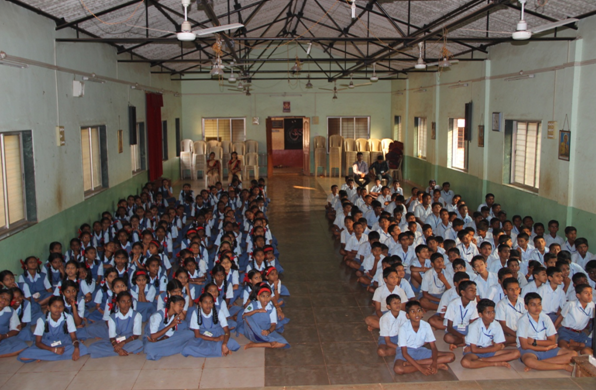
Electric Safety Awareness Campaign

Lecture on Employability Enhancement
Placement Record of Electrical Engineering Department
Laboratories of Electrical Engineering
The laboratories have state-of-the-art equipment also state-of-art experiment kits. These laboratories host a wide range of modern equipments. The Department is also equipped with an advanced computer centre apart from the centralized one which houses 40 Intel i5 processors PCs. Modern Engineering simulation software like MATLAB® is used to aid experiments and illustrate the theory.


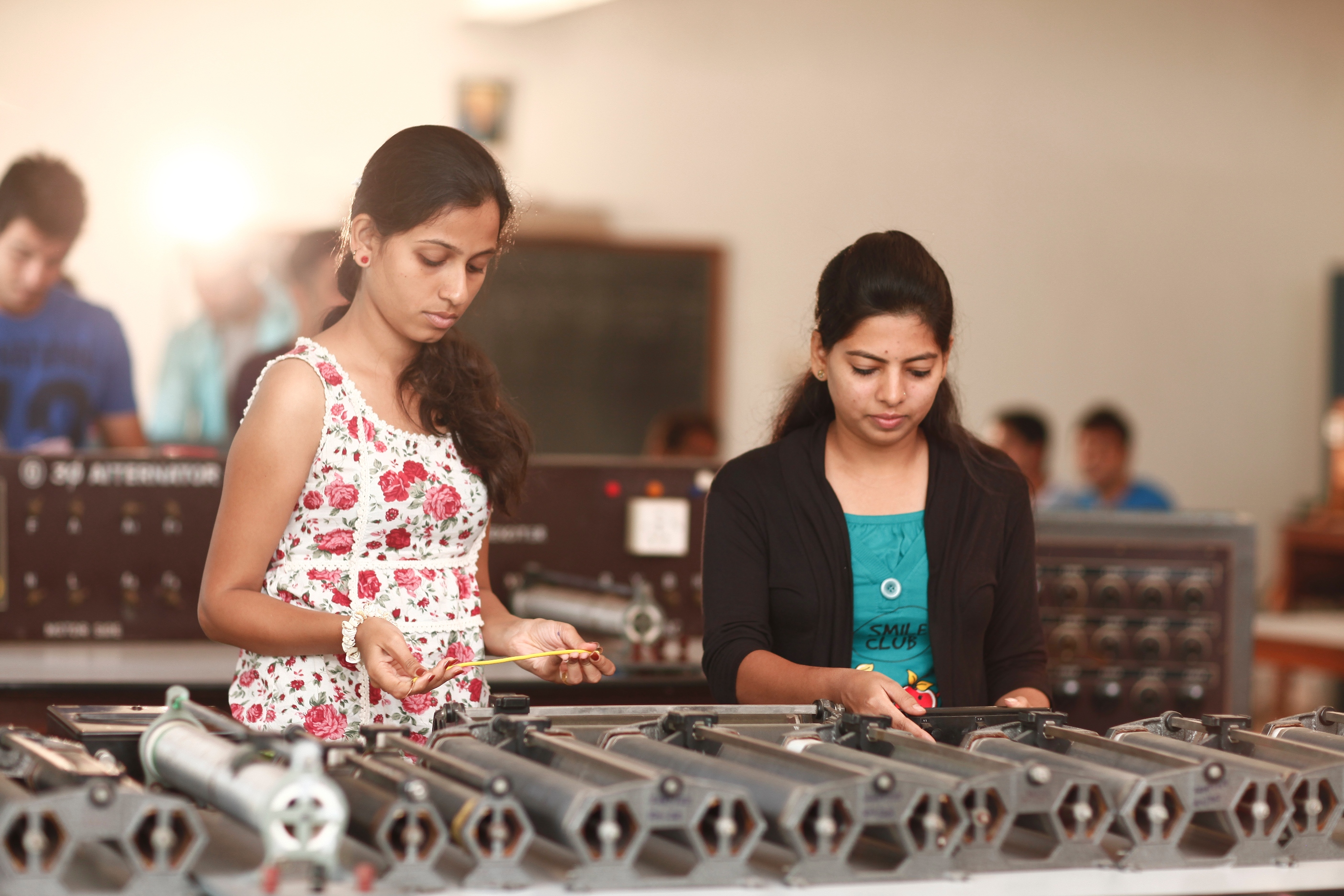
LAB Details
Testimonials by Electrical Alumni
Home of Engineering Student
FAMT is one of the best Engineering college in university of Mumbai. It is like home for every student and teachers are like parents. It has good infrastructure, all facilities, supportive staff and pleasant environment. I am proud of being a student in FAMT college.
First and foremost stepping stone
FAMT, as I look back, has been a pivot point in propelling my career in Electrical Engineering and supplementary fields. Whether it may be a academic learning, practical exposure or just allowing a student to pursue their outstanding extracurriculars, FAMT is always striving to make it positive. During my academic… Read more “First and foremost stepping stone”
FAMT
The best part of FAMT is THE ELECTRICAL DEPARTMENT apart from all trades. Some staffs from other departments are also very much helpful in every possible way. Awesome environment with loving peoples. Missing our GOLDEN DAYS spent in FAMT
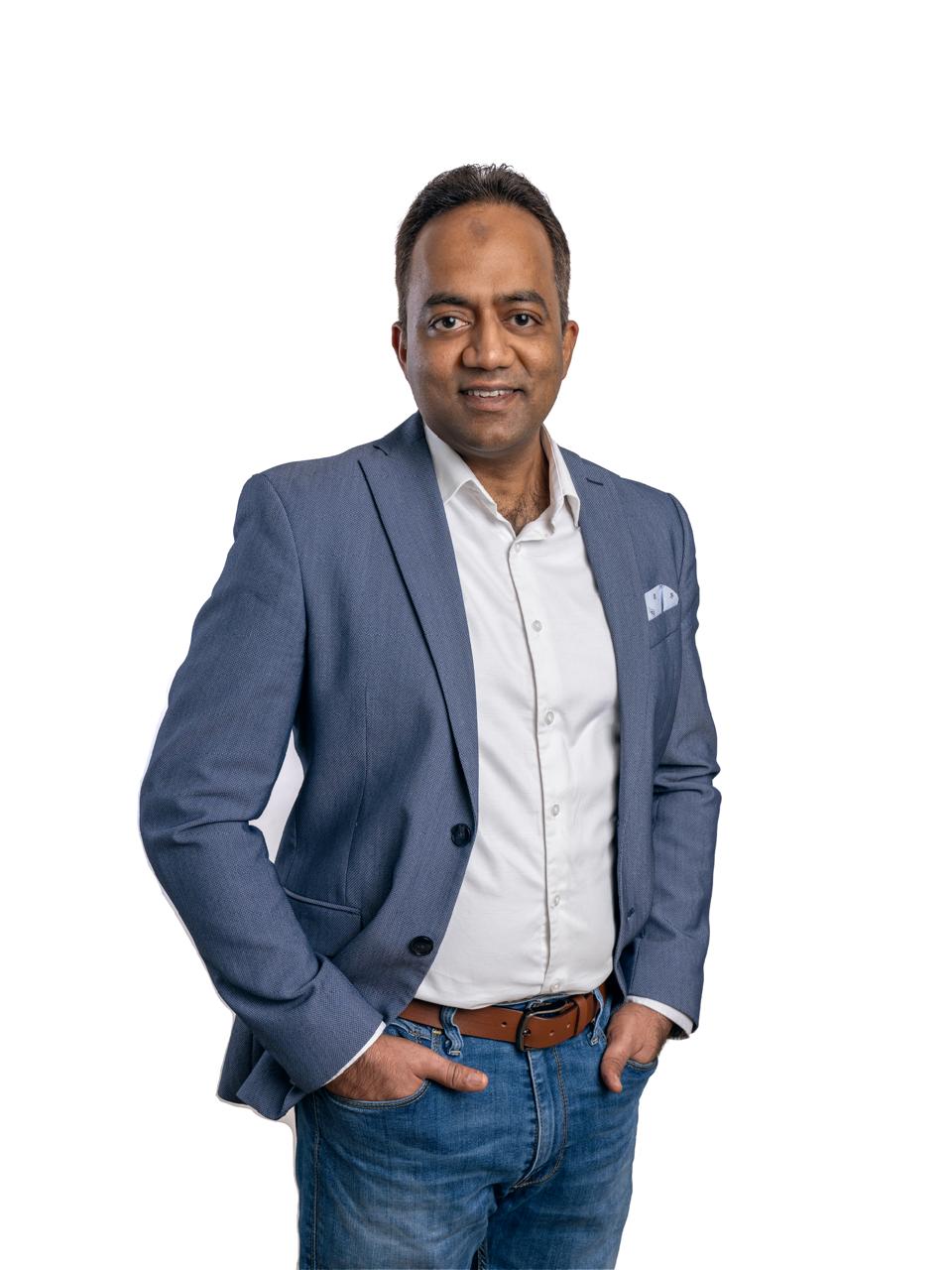
Never give up .. at all
I am very glad to part of famt family, and most important things is that I learned some thing from the faculty teacher to boost your knowledge to improve your self. So follow your dream and just move on. Thank you so much

As a student at Finolex
As a student at Finolex Academy of Management and Technology, Ratnagiri, I enjoyed both my academic as well as student life. The bachelor’s degree was designed well by Mumbai university. The degree course taught me multiple subjects where I gained good skills and knowledge in a quite few domains. This… Read more “As a student at Finolex”
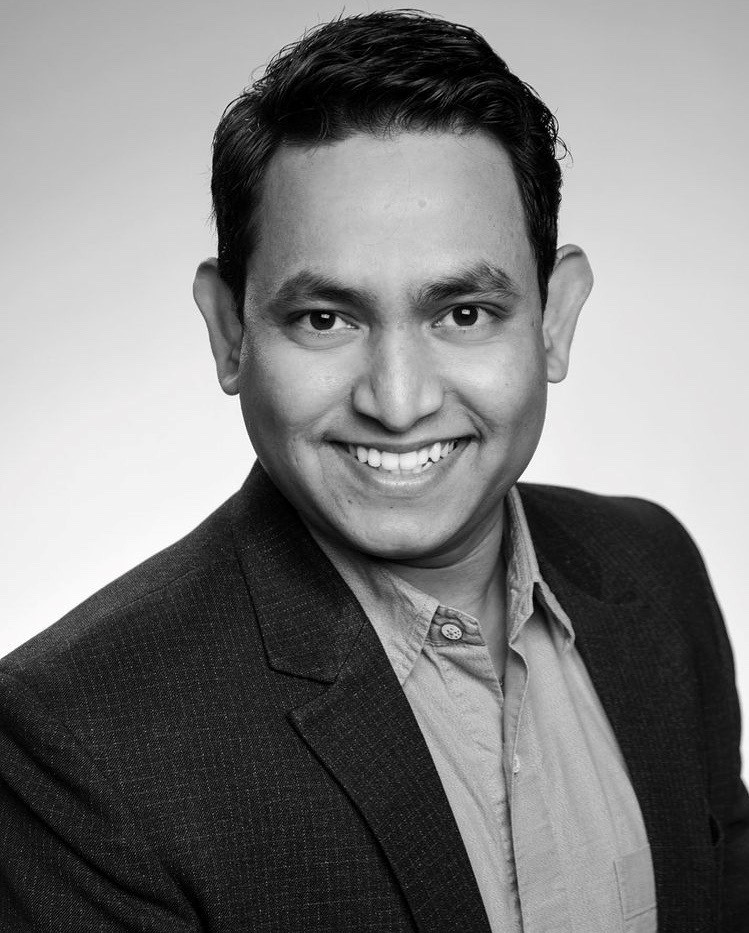
LIFE CHANGING EXPERIENCE !!!!
I joined FAMT in 2005, just after disastrous / infamous 26 July 2005 Mumbai Rains…. Full fledged MH CET was introduced for the first time in Maharashtra in the year 2005 & therefore lot of chaos/ confusion was there during our admission & continuous rain was making it further worse.… Read more “LIFE CHANGING EXPERIENCE !!!!”

Proud to be Student of Electrical Department Of FAMT
FAMT offers a blend of learning, amusement and integration of enduring principles. And to be more precise ,As a student in the FAMT, Ratnagiri, Electrical Engineering program, I gained both the skills and confidence to thoughtfully use a variety of skillful approaches in my work. The department is filled with… Read more “Proud to be Student of Electrical Department Of FAMT”
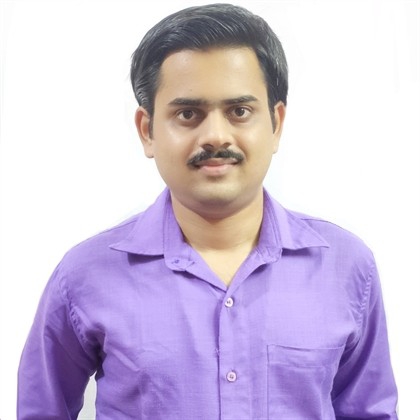
The department is filled with
The department is filled with immensely talented professors who not only impart knowledge but make it their point in imparting wisdom to the students. With so many years of experience in teaching, their guidance and directions to tread the path most suitable for an individual is very helpful. The professors… Read more “The department is filled with”
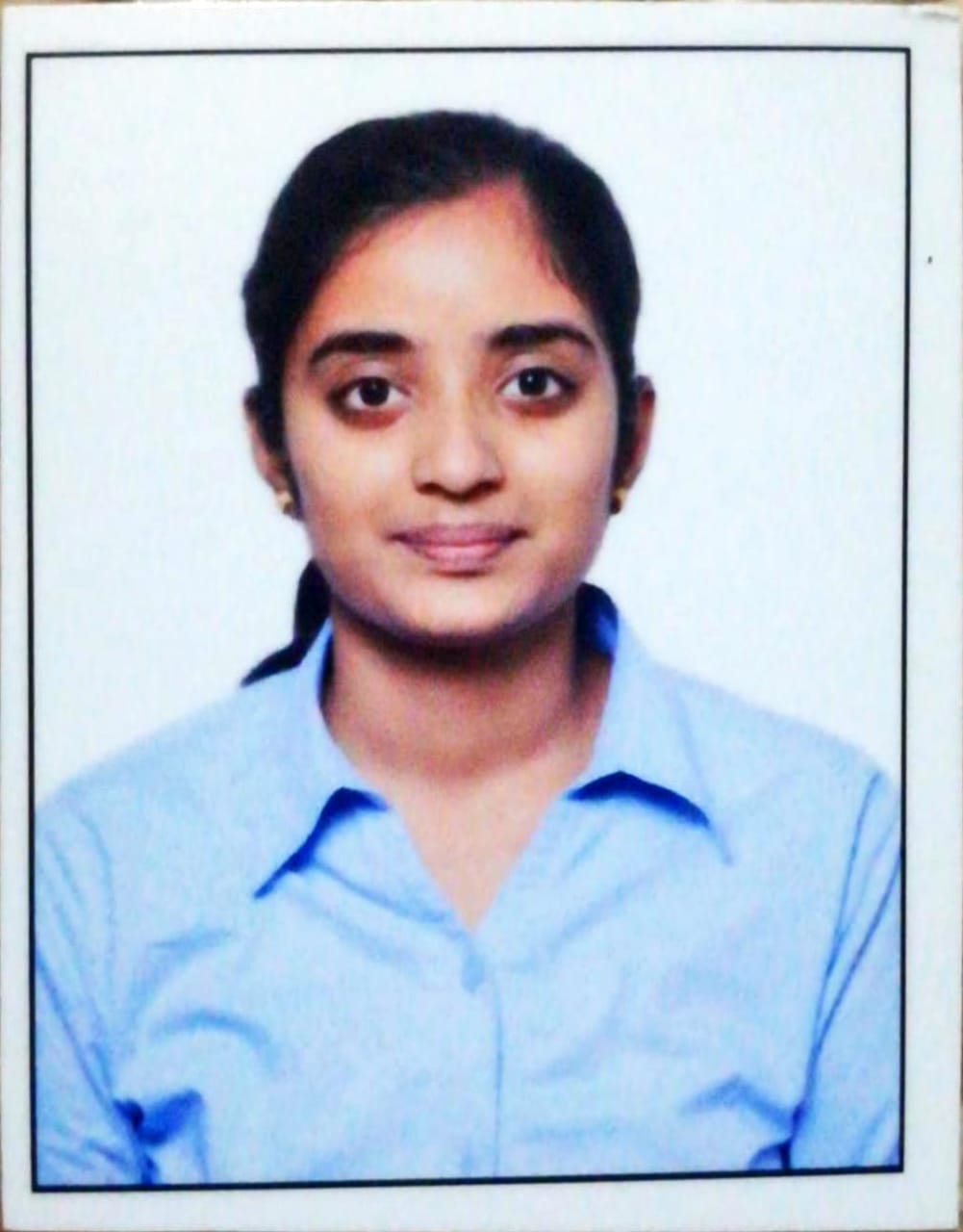
Testimonial
“As a student in the FAMT, Ratnagiri, Electrical Engg. program, I gained both the skills and confidence to thoughtfully use a variety of skillful approaches in my work. The subjects like Electrical Machine Design, Power Electronic and Control System were tremendous assets and approaches I use regularly. The instructors in… Read more “Testimonial”
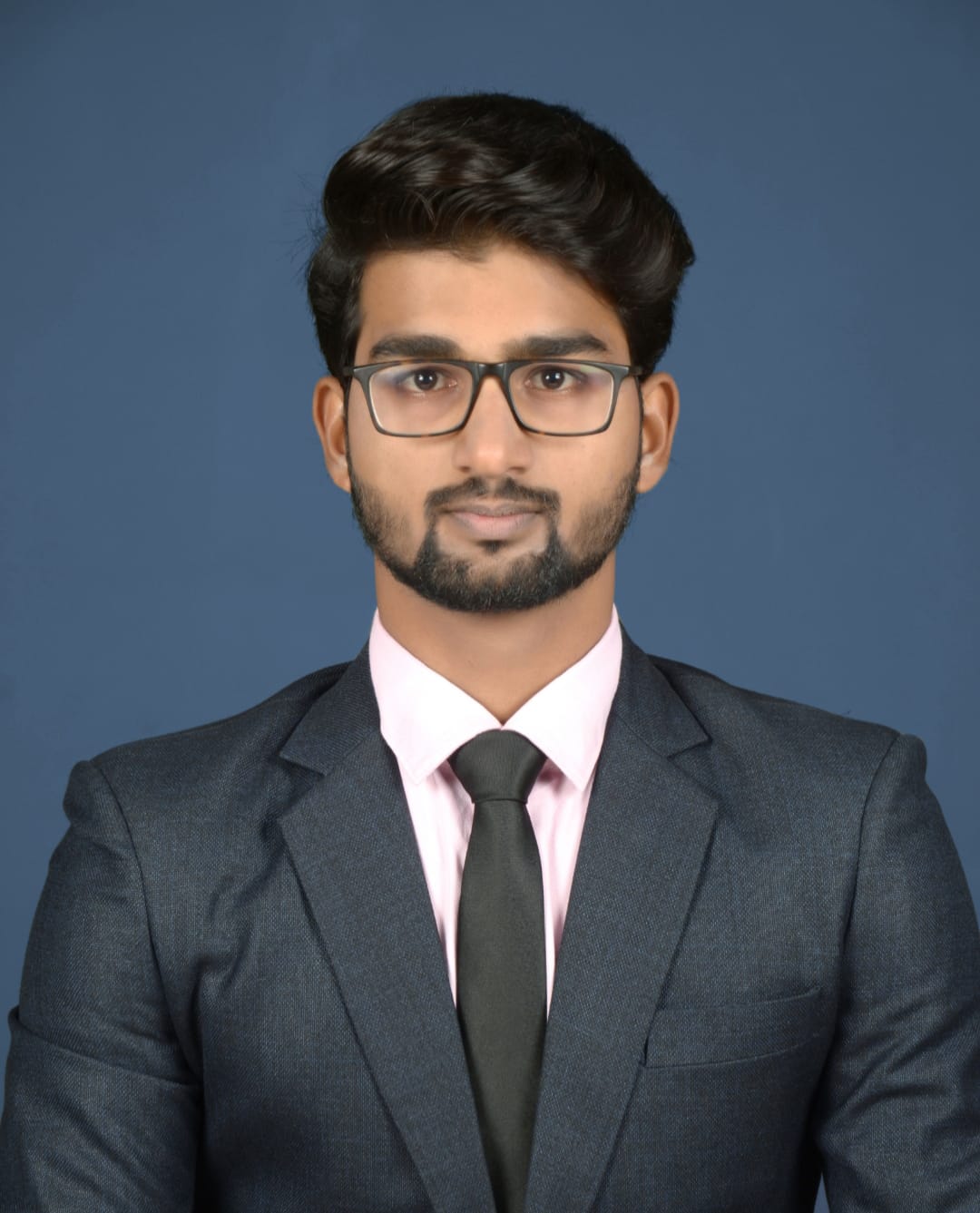
I am proud to be a student of FAMT
Right from the time I started researching colleges across the country during my high school studies, FAMT was among those I was looking for. The key points of FAMT that caught my attention were its reputation and place among the top colleges for Electrical Engineering Course. It may not have… Read more “I am proud to be a student of FAMT”
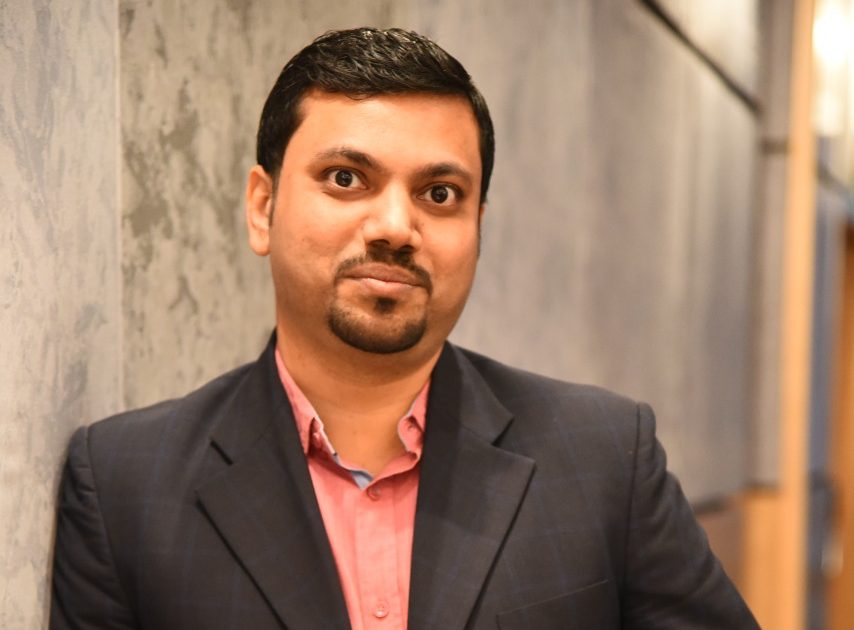
Department Advisory Board
Departmental advisory board members 2026
| Sr NO | Role | Names | |
| 1 | Employers | Mr.Nitin palsuledesai Mr.Ninad Behere | Ex.Engineer, MSEDCL Owner, Dhruva Shipping Consultants and Services Private Limited, Ratnagiri |
| 2 | Alumni | Mr. Rajesh Shirsat Mr.Advait Halbe | General Manager and Businesss Head-Solar at M/s Vikran Engg. Ltd. Senior Engineer,BGSW |
| 3 | Academician | Dr.Bhooshan A Rajpathak | Asst.Professor, VNIT, Nagpur |
| 4 | Head of Department | Dr.J.J. Mane | |
| 4 | Faculties | Prof.M.N.Tagare Prof.M.S.Modak | |
| 5 | Students | Mr. Parth Dhamapurkar Mr. Tarun M Shetye Miss Sanjana Rane | BE(student) TE(student) SE(student) |
| 6 | Parents | Mrs. Sharayu R Dhamapurkar Mr.Mangesh V Shetye Mrs.Pragati Snelal Salvi | ZP primary teacher Lab assistant Housewife |
Program Assessment Committee
Newsletters of Electrical Engineering Department
E-Newsletter ELECTRAZINE Odd Sem 2025-26
E-Newsletter ELECTRAZINE Odd Sem 2024-25
E-Newsletter ELECTRAZINE EVEN Sem 2024-25
E-Newsletter ELECTRAZINE ODD Sem 2023-24
E-Newsletter ELECTRAZINE EVEN Sem 2023-24
E-Newsletter ELECTRAZINE ODD Sem 2022-23
E-Newsletter ELECTRAZINE EVEN Sem 2022-23
E-Newsletter ELECTRAZINE ODD Sem 2021-22
E-Newsletter ELECTRAZINE EVEN Sem 2021-22
Magazines of Electrical Engineering Department
Academic Calendar of Electrical Engineering Department
Stake holder Feedback
| Type of Feedback | Link |
| Program Exit Survey | https://forms.gle/DEwiYD1caT4tNxJg8 |
| Alumni feedback | https://forms.gle/dZ99tpipPHcGx8j38 |
| Parent feedback | https://forms.gle/faTcmmgUhCgPd6sT9 |
| Internship feedback by supervisor | https://drive.google.com/file/d/17jFyXJr5wCa7ONJcmX7WLOpE1wIbwFVi/view?usp=sharing |
| Internship feedback by intern | https://forms.gle/nNiuhQd2vW9hv8TS9 |
